
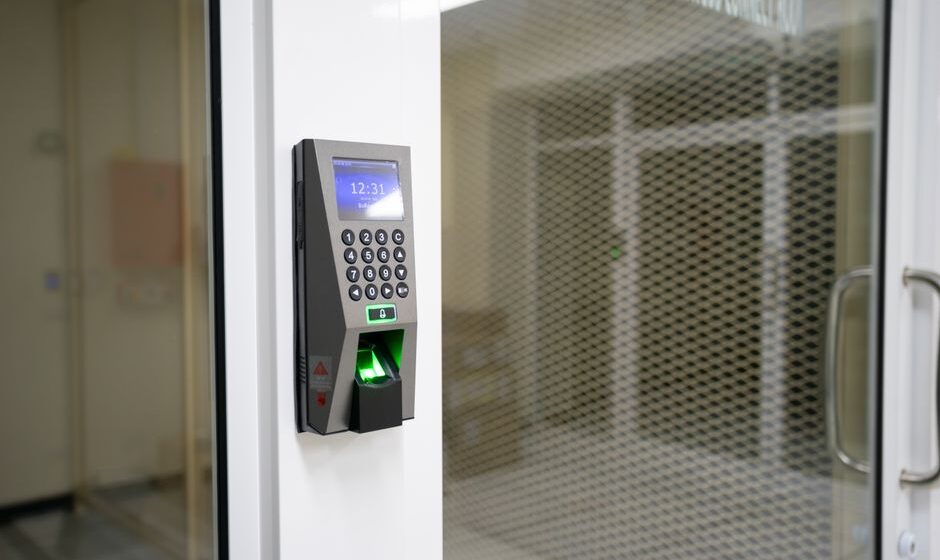

In today’s rapidly evolving technological landscape, ensuring the security of physical and digital assets is paramount. One of the most effective methods for managing this security is through access control systems. These systems not only safeguard sensitive information but also help organizations maintain compliance with various regulatory requirements. As businesses continue to embrace digital transformation, understanding the intricacies of access control systems becomes essential for protecting their assets.
What is an Access Control System?
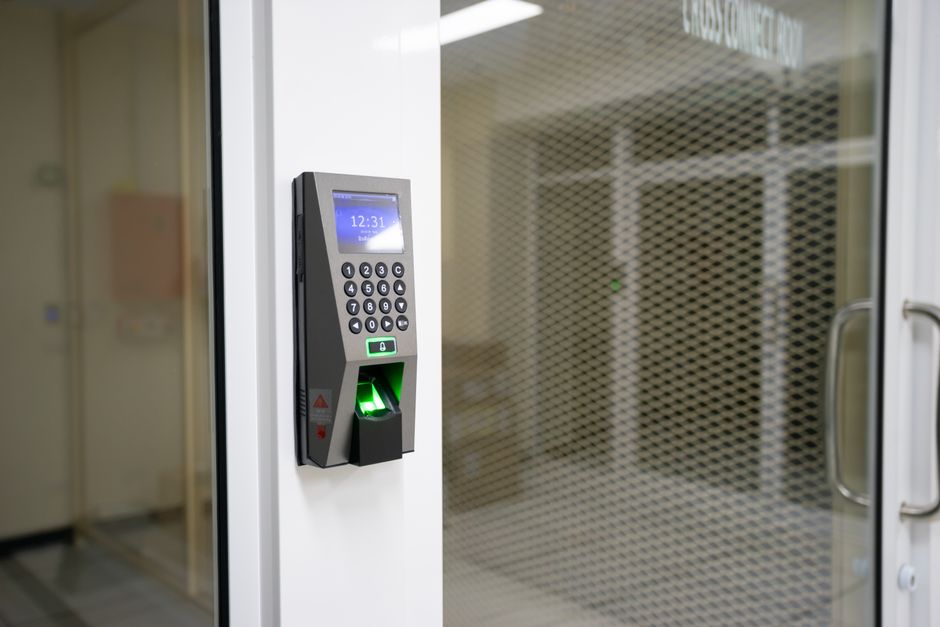
An access control system is a security mechanism that regulates who can enter or exit different areas within a facility or system. It can be as simple as a lock and key or as complex as a biometric scanner that requires a fingerprint or retina scan. The primary goal of these systems is to restrict access to authorized individuals while preventing unauthorized entry.
Access control systems can be classified into three main types: discretionary access control (DAC), mandatory access control (MAC), and role-based access control (RBAC). Each of these systems has its own set of rules and protocols that dictate how access is granted or denied. For instance, in a role-based access control system, access rights are assigned based on the user’s role within the organization, ensuring that individuals only have access to the information necessary for their job functions.
As organizations strive to protect their data and physical spaces, the implementation of an effective access control system becomes a critical component of their overall security strategy.
The Benefits of Access Control Systems
Implementing an access control system offers numerous benefits to organizations. First and foremost, it enhances security by ensuring that only authorized personnel can access sensitive areas. This is crucial in environments such as data centers or research labs where proprietary information is stored.
Additionally, access control systems help in tracking and monitoring who enters and exits a facility. This capability not only aids in maintaining security but also provides valuable data for security audits and compliance reports. In fact, a recent study indicated that organizations with access control systems experience a 40% reduction in security breaches compared to those without such measures.
Moreover, modern access control systems can integrate with other security technologies, such as surveillance cameras and alarm systems, creating a comprehensive security network that enhances overall protection.
Choosing the Right Access Control System
When selecting an access control system, organizations must consider several factors. The size of the facility, the number of users, and the level of security required are all critical elements that influence the choice of system. For large enterprises, a scalable solution that can accommodate a growing number of users and access points is essential.
Furthermore, organizations should evaluate the technology behind the access control system. Cloud-based solutions are becoming increasingly popular as they offer flexibility, remote management capabilities, and lower upfront costs. On the other hand, on-premises systems may provide more control over data but can be more expensive to maintain.
Ultimately, the right access control system will depend on the specific needs and security requirements of the organization.
Integrating Access Control with Other Security Measures
Integrating access control systems with other security measures is vital for creating a holistic security environment. For example, when combined with video surveillance systems, access control can provide real-time monitoring capabilities, enhancing incident response times and improving overall safety.
Additionally, incorporating alarm systems into the access control framework can trigger alerts in case of unauthorized access attempts, providing an extra layer of security. This integration allows organizations to respond swiftly to potential threats, minimizing the risk of security breaches.
The synergy between access control and other security measures not only improves security but also contributes to a more efficient operational environment.
Future Trends in Access Control Systems
The landscape of access control systems is continually evolving, with several trends shaping the future of security. One of the most significant trends is the adoption of biometric technologies, which provide enhanced security through unique biological traits such as fingerprints or facial recognition.
Moreover, the rise of the Internet of Things (IoT) is transforming access control systems into smart solutions that can be managed remotely. IoT-enabled access control systems allow for real-time monitoring and control through mobile devices, providing managers with greater oversight and flexibility.
As organizations continue to prioritize security in an increasingly digital world, staying informed about these trends is essential for maintaining a robust access control strategy.
Conclusion
In conclusion, access control systems play a vital role in safeguarding organizational assets and ensuring compliance with regulatory standards. By understanding the various types, benefits, and trends associated with these systems, organizations can make informed decisions that enhance their overall security posture. As technology continues to advance, embracing modern access control solutions will be crucial for protecting sensitive information and maintaining a secure environment.