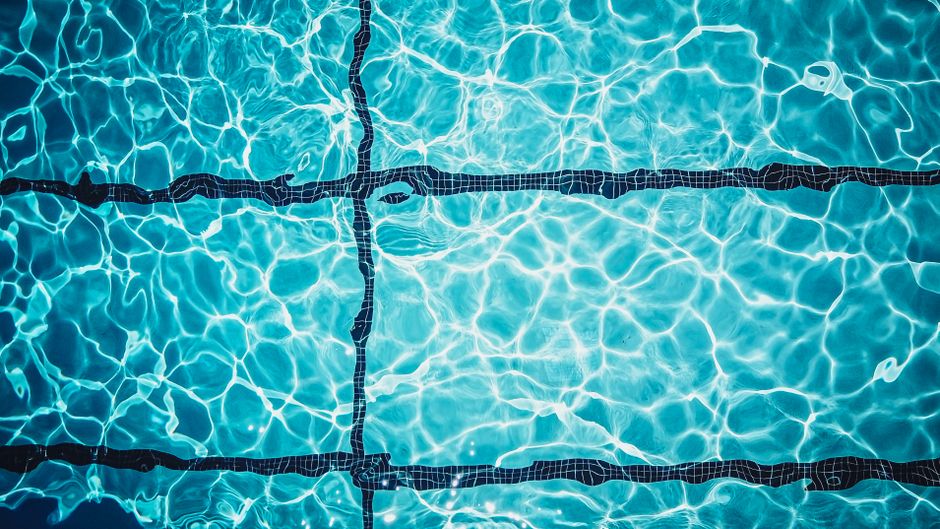

A sparkling clean pool is the dream of every pool owner, especially during the hot summer months. However, maintaining that pristine condition requires regular cleaning and maintenance. In this article, we will explore effective techniques and strategies for pool cleaning, ensuring your swimming oasis remains inviting and hygienic.
Understanding the Importance of Regular Pool Cleaning
Regular cleaning of your pool is not just about aesthetics; it is crucial for health and safety. A dirty pool can harbor harmful bacteria and algae, which can lead to skin infections and other health issues. According to the CDC, nearly 1 in 8 outbreaks of recreational water illnesses is linked to contaminated water in pools. Therefore, understanding the importance of regular cleaning can help you keep your family safe.
Moreover, regular maintenance of your pool extends its lifespan. Neglecting cleaning can lead to costly repairs and renovations down the line. By investing time and effort into routine cleaning, you can save money and enjoy a beautiful pool for years to come.
Essential Tools for Pool Cleaning
To effectively clean your pool, having the right tools is essential. Some of the basic tools include:
- Skimmer Net: Used for removing leaves and debris from the water surface.
- Pool Brush: Helps in scrubbing the walls and floor of the pool to remove algae and dirt.
- Vacuum Cleaner: An automatic or manual vacuum can help in deep cleaning the pool floor.
- Water Testing Kit: Ensures the chemical balance of the water is maintained, crucial for a clean and safe swimming environment.
Each of these tools plays a vital role in the overall cleaning process. For instance, a well-maintained skimmer net can prevent larger debris from sinking to the bottom, making the vacuuming process much easier.
Step-by-Step Pool Cleaning Process
Cleaning your pool can seem daunting, but breaking it down into a step-by-step process can make it manageable. Here’s a simple guide to follow:
- Remove Debris: Start by using a skimmer net to remove leaves, bugs, and other debris from the water surface.
- Brush the Walls: Use a pool brush to scrub the walls and floor, focusing on areas with visible algae or dirt.
- Vacuum the Pool: After brushing, vacuum the pool to remove any remaining dirt and debris from the bottom.
- Check Water Chemistry: Use your water testing kit to check pH, chlorine levels, and alkalinity. Adjust as necessary to maintain a balanced environment.
- Shock the Pool: Regularly shocking your pool with chlorine can kill bacteria and algae, ensuring clean water.
By following these steps, you can efficiently maintain your pool’s cleanliness and hygiene. For more advanced tips and techniques, consider visiting resources dedicated to limpieza piscinas.
Dealing with Algae Growth
Algae is one of the most common problems pool owners face. It can quickly turn a beautiful pool into a green swamp. To combat algae, ensure you regularly brush the pool and maintain proper chemical balance. If you spot algae, you may need to use an algaecide to treat the problem. Remember, prevention is better than cure, so keep your pool covered when not in use to minimize exposure to sunlight and debris.
Different types of algae require different treatments. For instance, green algae can often be dealt with using regular chlorine treatments, while black algae may require scrubbing and special algaecides to eliminate it effectively. Understanding the type of algae you’re dealing with is crucial for effective treatment.
Conclusion: Keeping Your Pool Pristine
In conclusion, maintaining a clean pool is vital for both aesthetic appeal and health safety. By following the right cleaning techniques and using appropriate tools, you can ensure that your pool remains a safe and enjoyable space for you and your loved ones. Remember to keep up with regular maintenance, and don’t hesitate to seek professional help if you encounter persistent issues. With a little effort, your pool can remain a sparkling oasis all summer long.