
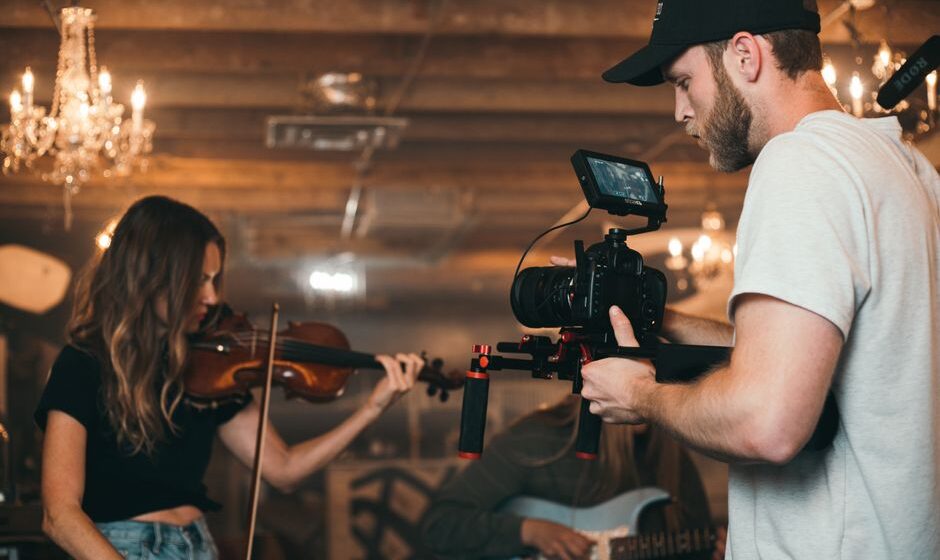

In the ever-evolving landscape of the music industry, the significance of music videos has become paramount. They serve not only as a visual representation of a song but also as a powerful marketing tool. With the rise of platforms like YouTube and TikTok, the demand for high-quality music video production has skyrocketed. This article delves into the intricate process of creating music videos, exploring the steps, challenges, and innovations that define this unique art form.
The Pre-Production Phase
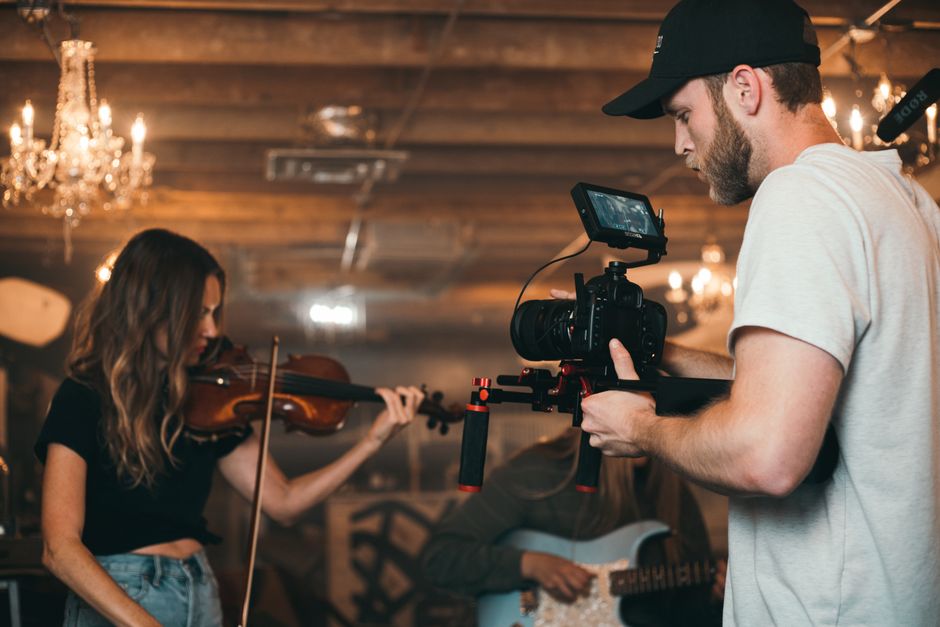
Every successful music video begins with a solid foundation in pre-production. This phase is crucial as it sets the tone and direction for the entire project. Key elements include concept development, budgeting, and scheduling. A well-defined concept is essential; it dictates the visual style and narrative of the video. Directors often collaborate with artists to brainstorm ideas that resonate with the song’s message.
During this phase, budgeting plays a critical role. Depending on the complexity of the video, costs can vary significantly. A simple performance video may require minimal investment, while a cinematic production with elaborate sets and special effects can run into thousands or even millions of dollars. Proper budgeting ensures that resources are allocated efficiently, preventing overspending and delays.
Scheduling is another vital aspect of pre-production. Coordinating the availability of the artist, crew, and locations can be a logistical challenge. A detailed timeline helps keep everyone on track, ensuring that the project progresses smoothly. This phase also includes casting actors or dancers if the video requires additional talent, adding another layer of complexity to the planning process.
Production: Bringing the Vision to Life
Once pre-production is complete, the focus shifts to production. This is where the magic happens, and the initial concept transforms into a visual reality. Directors, cinematographers, and production teams work together to capture footage that aligns with the envisioned aesthetic. Lighting, camera angles, and set design are meticulously planned to enhance the overall mood of the video.
During production, challenges can arise unexpectedly. Weather conditions, technical difficulties, or scheduling conflicts can disrupt the shooting process. Quick thinking and adaptability are essential traits for directors and crew members. For instance, if a planned outdoor shoot is interrupted by rain, the team must quickly pivot to an indoor location or adapt the concept to fit the new circumstances.
Moreover, the choice of equipment can significantly impact the video’s quality. High-definition cameras, drones, and specialized lenses are often used to achieve stunning visuals. The production team must also consider audio quality, particularly if the video features live performances. Ensuring that sound is captured clearly can make a substantial difference in the final product.
Post-Production: Editing and Final Touches
After the footage is captured, the post-production phase begins. This stage involves editing, color grading, and adding visual effects. Editors work meticulously to arrange the footage into a cohesive narrative that complements the song. The pacing of the edits is vital; it needs to match the rhythm and energy of the music, creating an engaging experience for viewers.
Color grading is another essential element, as it sets the visual tone of the video. Different color palettes can evoke various emotions, influencing how the audience perceives the story. For example, warmer tones might create a nostalgic feel, while cooler tones could evoke a sense of melancholy.
Additionally, visual effects (VFX) can enhance the storytelling. From simple transitions to complex animations, VFX can add a layer of creativity that captivates audiences. However, incorporating these effects requires expertise and careful planning to ensure they align seamlessly with the live-action footage.
The Role of Marketing in Music Video Production
In today’s digital age, the role of marketing cannot be overstated. A music video is not just a standalone piece; it’s a part of a broader marketing strategy. Artists and their teams must leverage social media platforms, online communities, and streaming services to maximize reach and engagement. This often involves creating teasers, behind-the-scenes content, and engaging with fans to build anticipation before the official release.
Furthermore, collaborations with influencers and other artists can amplify visibility. For instance, featuring a popular dancer or social media influencer in a video can attract their followers, expanding the audience base. The integration of user-generated content has also become a trend, encouraging fans to participate in challenges or share their interpretations of the video.
Analytics play a crucial role in measuring a music video’s success. Platforms like YouTube provide insights into viewer demographics, engagement rates, and overall performance. This data is invaluable for artists and producers, allowing them to understand what resonates with their audience and adapt future projects accordingly.
Conclusion: The Future of Music Video Production
The future of music video production is promising, with advancements in technology continuously reshaping the landscape. Virtual reality (VR) and augmented reality (AR) are beginning to find their place in music videos, offering immersive experiences that engage viewers on a new level. As these technologies evolve, they present exciting opportunities for creators to push the boundaries of storytelling.
Additionally, the rise of independent artists and DIY production has democratized the industry. With accessible tools and platforms, aspiring filmmakers can produce high-quality videos without the backing of major labels. This shift encourages innovation and diversity, allowing unique voices to emerge in the music video space.
In conclusion, music video production is a multifaceted process that combines creativity, technical skill, and strategic marketing. As the industry continues to evolve, understanding these dynamics will be essential for anyone looking to make their mark in the world of music videos. For those interested in exploring professional services, music video production offers a pathway to elevate artistic vision and connect with audiences worldwide.