
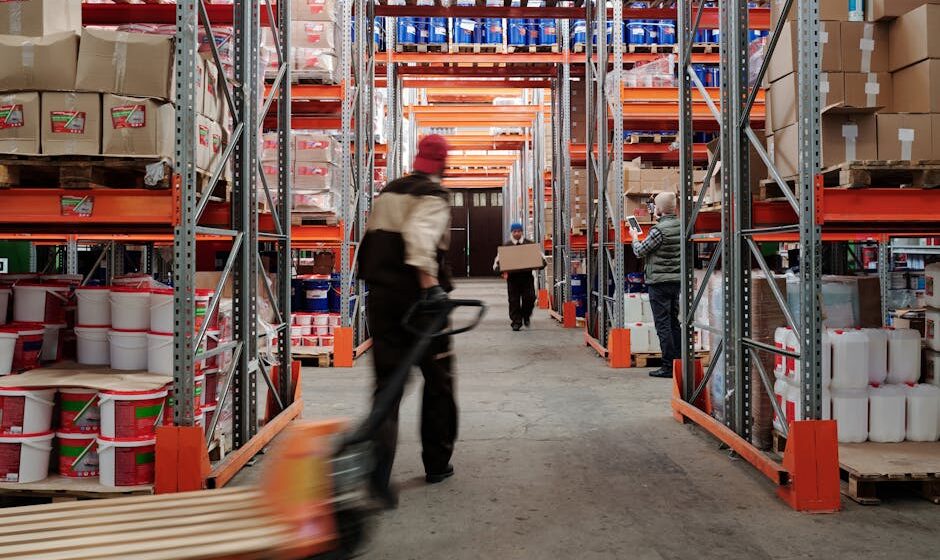

The role of distributors in the supply chain is crucial yet often overlooked. They act as intermediaries between manufacturers and retailers, ensuring that products reach their final destination efficiently. In this article, we will explore the various responsibilities of distributors, their impact on business operations, and the challenges they face in today’s market.
What is a Distributor?
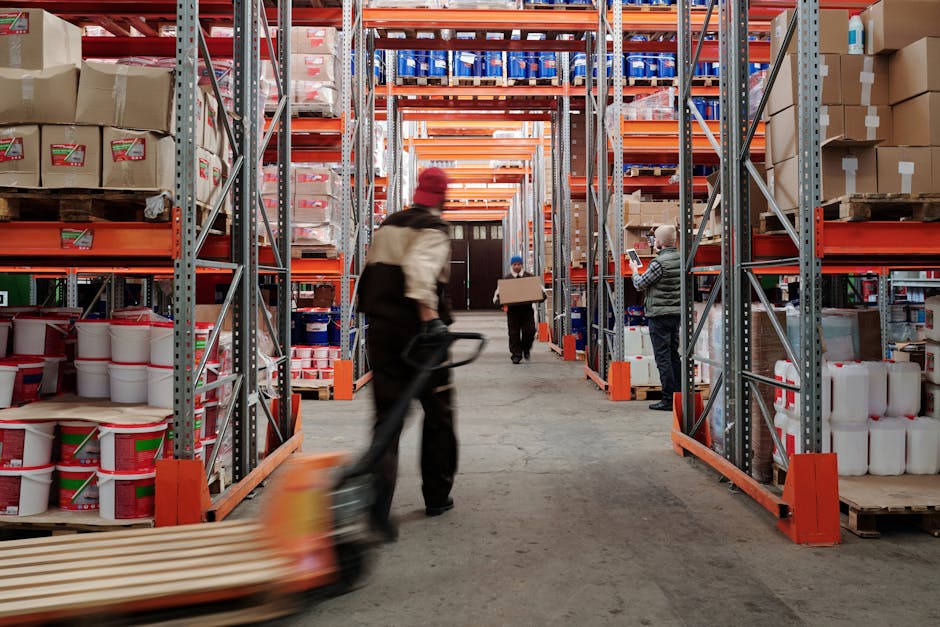
A distributor is an entity or individual that purchases products from manufacturers and sells them to retailers or directly to consumers. They are essential in bridging the gap between production and consumption. Distributors often take on additional responsibilities, such as storage, logistics, and marketing, which can significantly benefit manufacturers.
For example, a distributor might handle the warehousing of products, ensuring that they are readily available for retailers. This can help manufacturers reduce their overhead costs and focus more on production. Additionally, by managing logistics, distributors can optimize delivery routes and reduce transportation costs.
Furthermore, distributors can provide valuable market insights to manufacturers, allowing them to adjust their strategies based on consumer demand. This symbiotic relationship helps both parties thrive in a competitive marketplace.
The Importance of Distribution Channels
Distribution channels play a critical role in determining how effectively products reach consumers. Distributors can utilize various channels, including direct sales, retail partnerships, and online platforms, to maximize their market reach. Each channel has its advantages and challenges.
For instance, direct sales through distributors can lead to higher profit margins for manufacturers. However, it requires significant investment in marketing and sales resources. On the other hand, retail partnerships can provide immediate access to a larger customer base, but at the cost of sharing profits with retailers.
In recent years, the rise of e-commerce has transformed distribution channels. Many distributors are now focusing on online sales strategies to meet changing consumer preferences. This shift not only enhances accessibility but also allows for better tracking of consumer behavior and preferences.
Challenges Faced by Distributors
Despite their critical role, distributors face several challenges in the current business landscape. One major issue is the increasing competition from online platforms and direct-to-consumer sales models. Manufacturers are now more inclined to sell directly to consumers, which can undermine the traditional distributor model.
Additionally, supply chain disruptions, such as those experienced during the COVID-19 pandemic, have highlighted the vulnerabilities in distribution networks. Distributors must now be more agile and adaptable to respond to unexpected challenges.
Another challenge is managing inventory effectively. Distributors need to balance having enough stock to meet demand while minimizing excess inventory, which can lead to increased costs. Implementing sophisticated inventory management systems and forecasting tools can help mitigate these issues.
Technological Advancements in Distribution
Technology is reshaping the distribution landscape. From automated warehousing solutions to advanced logistics software, distributors are leveraging technology to improve efficiency and reduce costs. For example, many distributors now utilize data analytics to optimize their supply chain processes and improve decision-making.
Moreover, the emergence of artificial intelligence (AI) and machine learning is revolutionizing inventory management. These technologies can predict demand trends, helping distributors maintain optimal stock levels. Furthermore, AI-driven logistics solutions can enhance route optimization and reduce delivery times.
One innovative product that has gained attention in the health and wellness sector is BPC157+TB500, which showcases how distributors can tap into niche markets by aligning themselves with trending products.
The Future of Distribution
The future of distribution is likely to be characterized by increased collaboration and integration within supply chains. As businesses strive for efficiency and sustainability, distributors will need to adapt their strategies accordingly. This could involve forming strategic partnerships with manufacturers and retailers to create more cohesive supply chain networks.
Moreover, sustainability will play a vital role in shaping the future of distribution. Distributors that prioritize eco-friendly practices and transparency will be better positioned to meet the evolving demands of consumers.
In conclusion, distributors serve as a vital link in the supply chain, facilitating the movement of goods from manufacturers to consumers. By embracing technological advancements and adapting to market changes, they can continue to thrive in an increasingly competitive environment.