
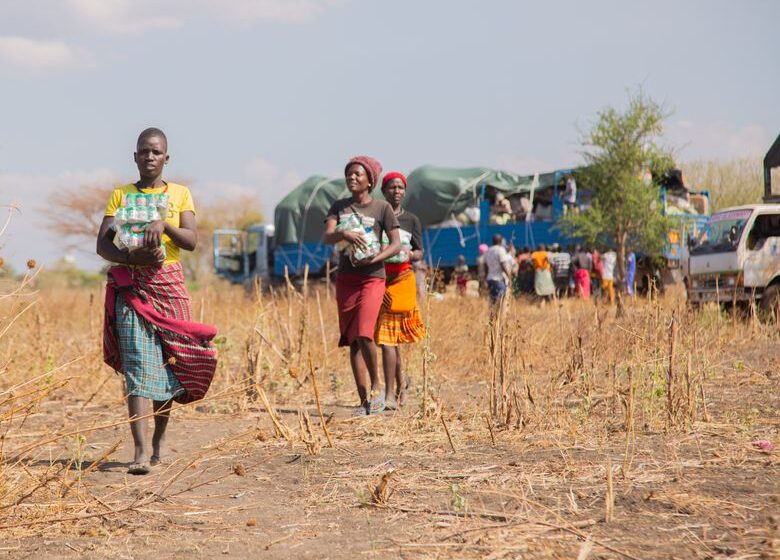

Social welfare is a critical component of a well-functioning society, addressing the needs of individuals and communities that are vulnerable or in need of assistance. It encompasses a variety of services and programs aimed at improving the quality of life for all, particularly those facing economic hardship, health issues, or social isolation. In this article, we will explore the multifaceted aspects of social welfare, its significance, and the various programs that aim to support those in need.
The Historical Context of Social Welfare
The concept of social welfare is not new; it has evolved over centuries. Historically, societies have implemented various forms of support for the vulnerable, often through religious or community organizations. In the 19th and early 20th centuries, the Industrial Revolution highlighted the need for more structured social welfare systems as urbanization led to increased poverty and social issues.
Governments began to take a more active role in providing assistance, leading to the establishment of welfare states in many countries. This shift was marked by significant legislation, such as the Social Security Act in the United States in 1935, which laid the groundwork for modern social welfare programs. Understanding this historical context is essential for recognizing the importance of social welfare in contemporary society.
Today, many countries have established comprehensive welfare systems that provide financial aid, healthcare, education, and housing assistance. These programs aim to reduce poverty, promote social inclusion, and enhance the overall well-being of citizens.
Types of Social Welfare Programs
Social welfare programs can be broadly categorized into several types, each addressing different needs within the community. These include:
- Economic Assistance: Programs that provide financial support to individuals and families in need, such as unemployment benefits, food assistance, and housing subsidies.
- Healthcare Services: Initiatives that ensure access to medical care for all, including public health programs, mental health services, and preventive care.
- Education and Training: Social welfare also encompasses educational support, such as scholarships, vocational training, and adult education programs, aimed at improving individuals’ employability.
- Child and Family Services: These programs focus on supporting families, including child protective services, foster care, and parenting support.
Each of these categories plays a vital role in ensuring that individuals can lead productive and fulfilling lives. For example, economic assistance programs provide a safety net for those who lose their jobs, allowing them to support their families during difficult times. Similarly, healthcare services are crucial for maintaining public health and preventing the spread of diseases.
The Role of Non-Governmental Organizations (NGOs)
In addition to government programs, non-governmental organizations (NGOs) play a significant role in the social welfare landscape. NGOs often fill gaps in services, providing specialized support and advocacy for marginalized groups. They may focus on specific issues such as homelessness, domestic violence, or mental health, tailoring their programs to meet the unique needs of those they serve.
Collaboration between government entities and NGOs is essential for a comprehensive approach to social welfare. By working together, they can leverage resources and expertise to create more effective programs. For instance, NGOs may provide direct services to individuals while advocating for policy changes that improve the overall welfare system.
Moreover, NGOs often rely on community engagement and volunteer support, fostering a sense of community and encouraging citizens to take an active role in addressing social issues.
Challenges Facing Social Welfare Systems
Despite the importance of social welfare, many systems face significant challenges. Funding constraints, political opposition, and changing demographics can hinder the effectiveness of social welfare programs. Budget cuts and austerity measures often result in reduced services, leaving vulnerable populations without the support they need.
Moreover, there is often a stigma associated with receiving social welfare, which can deter individuals from seeking the help they require. Addressing these challenges requires a concerted effort from policymakers, communities, and advocates to ensure that social welfare remains a priority.
Additionally, the rise of technology and data-driven approaches presents both opportunities and challenges. While technology can streamline service delivery and improve access, it can also create barriers for those who are not technologically literate or lack access to digital resources.
The Future of Social Welfare
Looking ahead, the future of social welfare will likely involve a greater emphasis on holistic approaches that address the interconnectedness of various social issues. This includes recognizing the impact of mental health on overall well-being, the importance of education and job training, and the need for affordable housing.
Innovative solutions, such as community-based programs and partnerships between public and private sectors, will be essential in creating sustainable social welfare systems. For instance, initiatives that promote economic empowerment through job creation and skills development can help break the cycle of poverty.
Furthermore, as the global landscape shifts due to factors like climate change and migration, social welfare systems must adapt to meet the evolving needs of diverse populations. A focus on inclusivity and equity will be vital in ensuring that all individuals have the opportunity to thrive.
Conclusion
In conclusion, social welfare is a cornerstone of a just and equitable society. It provides essential support to individuals and families, helping to alleviate poverty and promote well-being. While challenges remain, the ongoing evolution of social welfare programs and the collaboration between various stakeholders offer hope for a brighter future. It is crucial to continue advocating for robust social welfare systems that prioritize the needs of all citizens, ensuring that no one is left behind. For more information on social welfare initiatives, you can visit dsoswaingapu.