
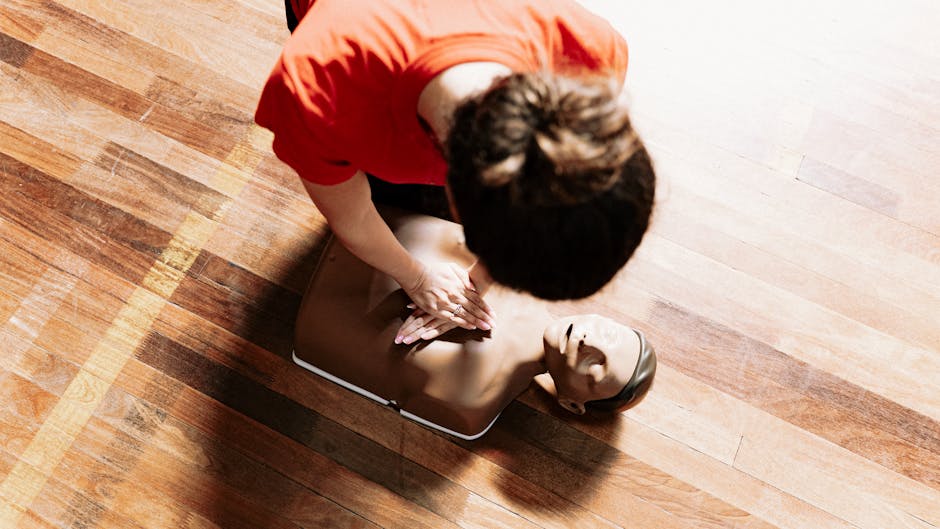

Cardiopulmonary resuscitation (CPR) is a critical life-saving technique that can be the difference between life and death in emergencies. Whether it’s a heart attack, drowning, or any situation where someone’s breathing or heartbeat has stopped, knowing how to perform CPR can save lives. In this article, we will explore the importance of CPR, how to perform it, and the latest recommendations for effective technique.
The Importance of CPR
Every year, thousands of people suffer from cardiac arrests outside of a hospital setting. According to the American Heart Association, nearly 350,000 out-of-hospital cardiac arrests occur in the United States alone. The survival rate for these incidents is a mere 10%, but immediate CPR can double or even triple a victim’s chance of survival. This statistic highlights the crucial role that bystanders play in emergencies.
CPR is not just about chest compressions; it includes rescue breaths as well. When performed correctly, CPR helps maintain blood flow to the heart and brain, which is vital for preventing irreversible damage. Learning CPR can empower individuals to act decisively in a crisis, potentially saving lives while waiting for emergency medical services to arrive.
How to Perform CPR
Performing CPR involves a simple sequence of steps. First, ensure the scene is safe. If it is, check for responsiveness by gently shaking the person and shouting, “Are you okay?” If the person is unresponsive, call 911 or ask someone else to make the call.
Next, assess the victim’s breathing. If they are not breathing or only gasping, begin CPR. Place the heel of one hand on the center of the chest, with the other hand on top, and interlock your fingers. Press down hard and fast at a rate of 100 to 120 compressions per minute, allowing the chest to fully recoil between compressions.
After every 30 compressions, give 2 rescue breaths if you are trained to do so. To give rescue breaths, tilt the person’s head back slightly, pinch their nose shut, and create an airtight seal with your mouth around theirs. Give two breaths, each lasting about one second, and watch for the chest to rise. Continue the cycle of compressions and breaths until emergency help arrives or the person shows signs of life.
Latest Recommendations and Guidelines
The guidelines for CPR have evolved over the years, with significant emphasis placed on hands-only CPR for laypersons. The American Heart Association now recommends that untrained bystanders perform hands-only CPR, focusing purely on chest compressions without rescue breaths. This simplifies the process and encourages more people to step in during emergencies.
For trained responders, the combination of compressions and rescue breaths is still emphasized, especially for infants and children. It’s essential to stay updated with the latest CPR training and guidelines, as these can change based on new research and findings.
For those interested in learning CPR, numerous courses are available. For instance, you can find dedicated training programs like HLR kurs Stockholm that provide hands-on practice and certification.
Overcoming Barriers to CPR Training
Despite the clear benefits of CPR, many people remain untrained. Barriers to training include lack of availability, fear of performing CPR incorrectly, and a general misconception that it is only for medical professionals. However, with advancements in technology, many organizations now offer online courses and simulations that make learning CPR more accessible than ever.
Moreover, public awareness campaigns have been instrumental in promoting the importance of CPR training. Community events and partnerships with local organizations can foster a culture of preparedness, where individuals feel confident to step in during emergencies.
Conclusion
Understanding CPR is essential for everyone. It is a skill that can be learned by anyone, regardless of age or background, and it holds the power to save lives. By educating ourselves and others about CPR, we can create a safer environment for our communities. Whether through formal training or simply spreading awareness, every effort counts in ensuring that more people are prepared to act in times of crisis.