
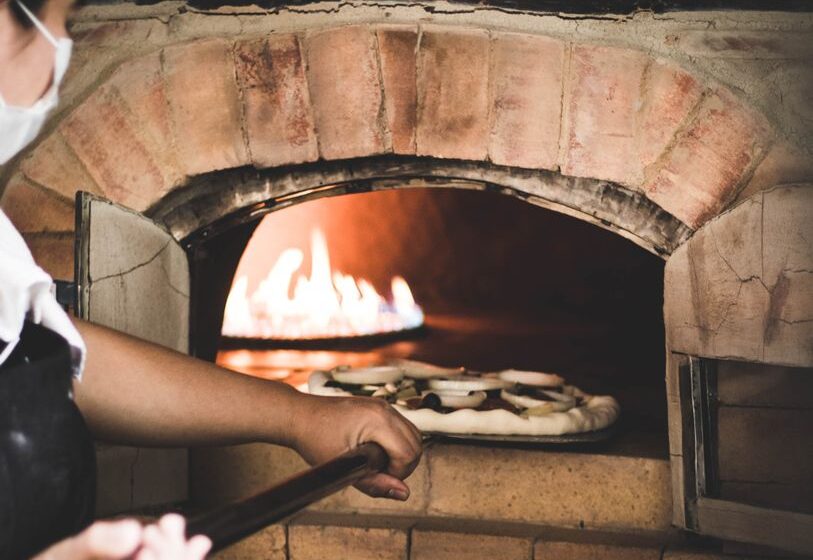

Pizza is one of the most beloved dishes around the world, and while many enjoy the convenience of ordering it from their favorite restaurants, there’s something truly special about making it by hand. Handmade pizza not only offers a unique taste experience but also allows for creativity and personalization in every bite. In this article, we will delve into the world of handmade pizza, exploring its history, ingredients, techniques, and tips to create the perfect pie at home.
The History of Pizza
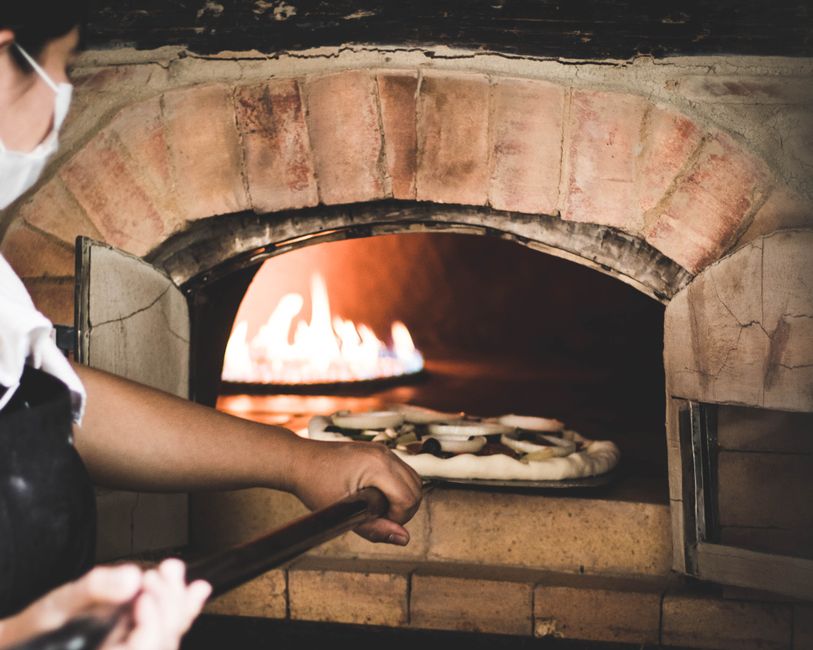
The origins of pizza can be traced back to ancient civilizations, with flatbreads being consumed in various forms. However, the modern pizza we know today originated in Naples, Italy, in the 18th century. Initially, it was a dish for the poor, sold by street vendors. Over time, it gained popularity and evolved into a staple of Italian cuisine. The Margherita pizza, topped with tomatoes, mozzarella cheese, and basil, was created in honor of Queen Margherita of Savoy in 1889, symbolizing the colors of the Italian flag.
As pizza spread across the globe, regional variations emerged. In the United States, for example, New York and Chicago developed their own distinctive styles. New York-style pizza is characterized by its thin, foldable crust, while Chicago deep-dish pizza features a thick, buttery crust with layers of cheese and toppings. Each style tells a story of the local culture and preferences, making pizza a truly universal dish.
Essential Ingredients for Handmade Pizza
Creating a delicious handmade pizza starts with the right ingredients. The foundation of any pizza is the dough, which typically consists of flour, water, yeast, and salt. The type of flour used can significantly impact the texture and flavor of the crust. For a chewy and crispy crust, many pizzaiolos prefer to use high-protein bread flour.
Beyond the dough, the choice of toppings is essential. Fresh, high-quality ingredients make a noticeable difference in flavor. For the sauce, a simple blend of crushed tomatoes, olive oil, garlic, and herbs can provide a robust base. When it comes to cheese, mozzarella is the classic choice, but experimenting with other cheeses like provolone or goat cheese can elevate the flavor profile.
Finally, don’t forget the toppings! From traditional pepperoni to gourmet options like arugula and prosciutto, the possibilities are endless. The key is to balance flavors and textures, ensuring that no single topping overshadows the others.
Techniques for Perfecting the Dough
The dough is arguably the most crucial component of a handmade pizza. Mastering the art of kneading and proofing will set you on the path to success. After mixing the ingredients, knead the dough for about 10 minutes until it becomes smooth and elastic. This process develops the gluten, which gives the crust its structure.
Once kneaded, allow the dough to rise in a warm environment until it doubles in size, which usually takes 1-2 hours. For those looking to enhance the flavor, consider cold fermentation by letting the dough rise in the refrigerator for up to 72 hours. This slow fermentation process develops a deeper flavor and improves the dough’s texture.
When it comes time to shape the dough, use your hands rather than a rolling pin to preserve the air bubbles created during fermentation. Gently stretch the dough into your desired shape, being careful not to deflate it. This technique ensures a light and airy crust that will impress anyone who takes a bite.
Cooking Techniques for the Perfect Pizza
Cooking your handmade pizza correctly is essential for achieving that perfect crust. Traditional wood-fired ovens can reach temperatures of up to 900°F, resulting in a crispy exterior and chewy interior. However, most home cooks will use a standard oven, which can still produce excellent results.
To replicate the high heat of a pizza oven, preheat your oven to its maximum temperature—usually around 500°F. It’s beneficial to use a pizza stone or steel, as these retain heat and help create a crispy crust. Place the stone in the oven while it preheats to ensure it reaches the optimal temperature.
When it’s time to bake, assemble your pizza quickly to prevent the dough from becoming soggy. Transfer the pizza onto the preheated stone or steel and bake for about 10-12 minutes, or until the crust is golden brown and the cheese is bubbling. For an extra touch, consider finishing your pizza with a drizzle of olive oil or a sprinkle of fresh herbs after baking.
Tips for Personalizing Your Handmade Pizza
One of the greatest joys of making handmade pizza is the ability to customize it to your tastes. Don’t be afraid to experiment with different sauces, cheeses, and toppings. For those who enjoy a little heat, adding spicy pepper flakes or jalapeños can elevate your pizza to new heights. For a gourmet touch, try incorporating seasonal ingredients, such as fresh vegetables or unique meats.
Additionally, consider the presentation of your pizza. A well-presented pizza not only looks appetizing but also enhances the dining experience. Use fresh herbs as a garnish, and don’t hesitate to get creative with your cutting technique—slices, squares, or even small personal pies can add a fun twist to your pizza night.
Lastly, share your creations with friends and family! Hosting a pizza-making night can be a fantastic way to bond, allowing everyone to craft their own unique pizzas while enjoying each other’s company.
Conclusion
Handmade pizza is more than just a meal; it’s a culinary experience that brings people together. From its rich history to the art of crafting the perfect dough and toppings, every step of the process allows for creativity and personalization. By following the tips and techniques outlined in this article, you can create delicious handmade pizzas that will impress your family and friends. So roll up your sleeves, gather your ingredients, and embark on this delicious journey of homemade pizza making. Whether you’re a novice or an experienced cook, there’s always something new to discover in the world of pizza.
And remember, if you’re looking for gourmet pizza options to try out, check out LUXURY 777 for some inspiration!