
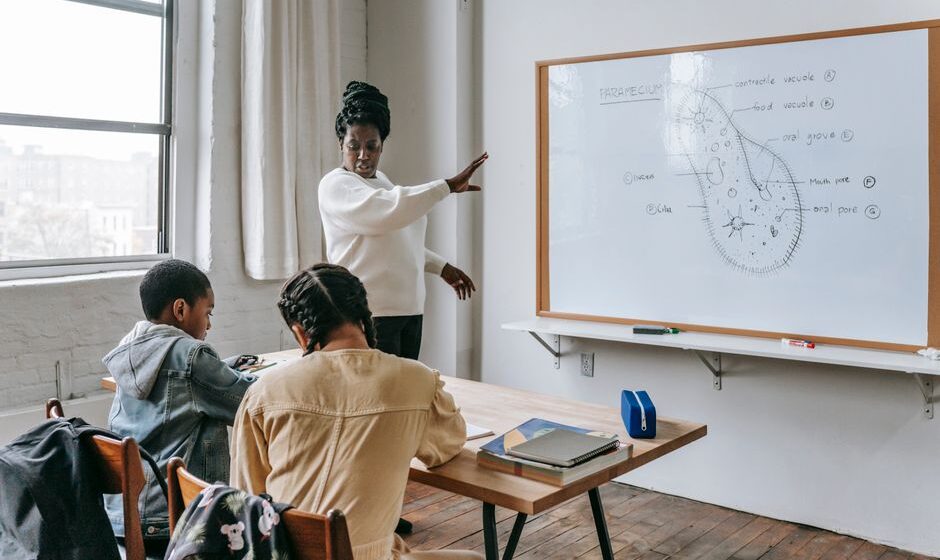

Education is a cornerstone of society, shaping the minds of future generations and equipping them with the skills needed to thrive in an ever-changing world. As we progress into the 21st century, the landscape of education is undergoing a significant transformation driven by technological advancements, changing societal needs, and innovative teaching methodologies. This article delves into the various facets of modern education, exploring how these changes are impacting students, educators, and the educational system as a whole.
The Role of Technology in Education
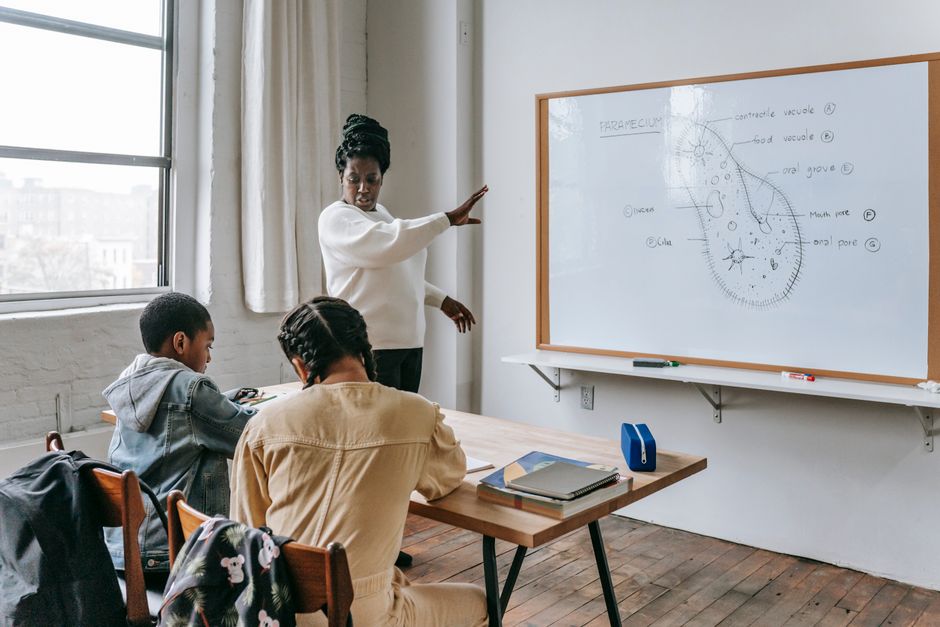
Technology has become an integral part of the educational experience. From online learning platforms to interactive whiteboards, technology enhances the way information is delivered and absorbed. For instance, tools like virtual reality (VR) are being used to create immersive learning experiences, allowing students to explore complex subjects in a more engaging manner. According to a recent study, students using VR in their lessons showed a 70% increase in engagement compared to traditional teaching methods.
Moreover, online resources such as Khan Academy and Coursera offer free access to high-quality educational content, significantly democratizing education. As a result, learners from diverse backgrounds can access materials that were once limited to those who could afford them. This shift not only makes education more inclusive but also empowers students to learn at their own pace.
However, the rapid integration of technology also poses challenges. Educators must continuously adapt to new tools and methodologies, which requires ongoing professional development. Additionally, issues such as digital equity must be addressed, ensuring that all students have access to the necessary technology and internet connectivity.
Personalized Learning: Tailoring Education to Individual Needs
Personalized learning is another significant trend reshaping education. By focusing on individual learning styles, interests, and paces, educators can create customized learning experiences that cater to each student’s unique needs. Adaptive learning technologies, such as AI-driven platforms, analyze student performance and adjust the curriculum accordingly.
Research indicates that personalized learning can lead to improved student outcomes. For example, a study conducted by the Bill & Melinda Gates Foundation found that students in personalized learning environments demonstrated a 30% increase in academic achievement compared to their peers in traditional settings.
However, implementing personalized learning requires a shift in mindset from educators. Teachers must be willing to embrace new methods and relinquish some control over the learning process. Furthermore, the success of personalized learning relies heavily on robust data collection and analysis, which can be resource-intensive.
The Importance of Soft Skills in Education
In today’s job market, technical skills alone are insufficient. Employers increasingly prioritize soft skills such as communication, teamwork, and problem-solving. As a result, educational institutions are beginning to emphasize these skills within their curricula.
Programs that promote collaboration and critical thinking, such as project-based learning, are gaining traction. These approaches not only engage students but also prepare them for the complexities of the modern workplace. According to a survey by the World Economic Forum, 94% of employers believe that soft skills are just as important, if not more so, than technical skills.
To effectively teach soft skills, educators must create environments that encourage interaction and collaboration. This can be achieved through group projects, discussions, and real-world problem-solving scenarios. By fostering these skills, educators equip students with the tools they need to succeed in their future careers.
Globalization and Its Impact on Education
Education is no longer confined within national borders. Globalization has created a more interconnected world, and this is reflected in educational practices. International collaborations, exchange programs, and online courses offered by universities worldwide provide students with opportunities to broaden their perspectives.
Moreover, exposure to diverse cultures and ideas enhances students’ critical thinking and adaptability, which are crucial skills in a globalized economy. For instance, many universities now offer dual-degree programs, allowing students to study in multiple countries and gain international experience.
However, globalization also presents challenges. Educational systems must adapt to accommodate a more diverse student population, which requires cultural sensitivity and inclusivity in teaching practices. Educators must be prepared to address these challenges while fostering a global mindset among students.
Conclusion: Embracing Change for a Better Future
The future of education is undoubtedly exciting, filled with possibilities driven by innovation and change. As technology continues to advance, personalized learning becomes more prevalent, and the importance of soft skills rises, educators must embrace these changes to prepare students for success in an increasingly complex world.
By fostering an environment of inclusivity, adaptability, and continuous improvement, we can create a transformative educational experience that empowers all learners. It is essential that we work together—educators, policymakers, and communities—to ensure that the evolution of education benefits everyone. As we move forward, let us remember that education is not just about imparting knowledge but about nurturing the next generation of thinkers, leaders, and innovators.
In this evolving landscape, platforms that offer diverse educational resources, like toto togel, play a crucial role in providing access to knowledge and opportunities for lifelong learning.