
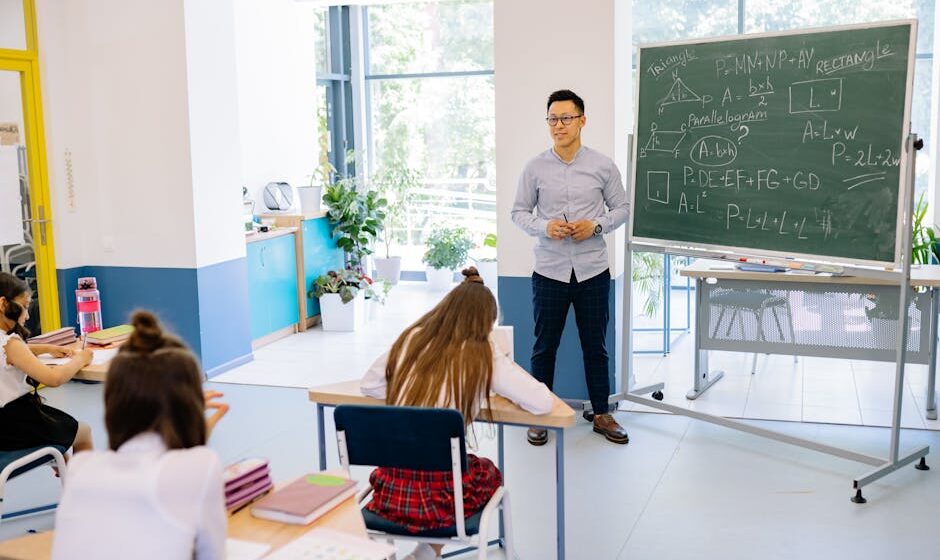

The landscape of education is undergoing a profound transformation driven by technological advancements, changing societal needs, and the evolving demands of the workforce. As we move further into the 21st century, understanding the trends and innovations shaping education is crucial for students, educators, and policymakers alike. In this article, we will explore key developments that are redefining how education is delivered and experienced.
Technology in the Classroom
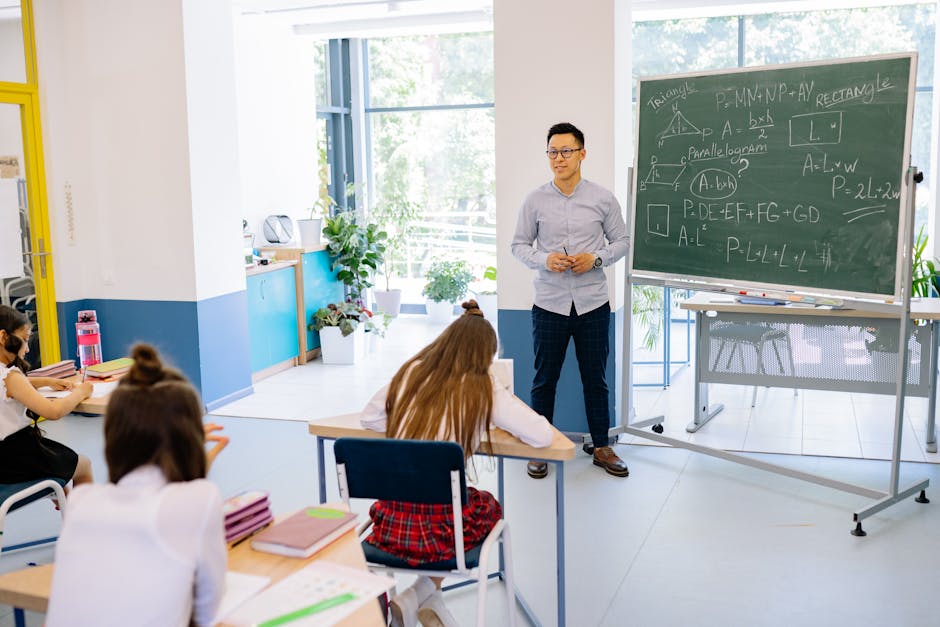
One of the most significant changes in education is the integration of technology into the classroom. Digital tools, such as interactive whiteboards, tablets, and educational software, are enhancing the learning experience. According to a report by the International Society for Technology in Education, 75% of teachers use technology in their classrooms, and this number is steadily increasing.
Online learning platforms have also gained popularity, offering students the flexibility to learn at their own pace. For instance, courses on platforms like Coursera and edX allow learners to access materials from top universities around the globe, democratizing education in ways previously unimaginable. Furthermore, with the rise of artificial intelligence, personalized learning experiences are becoming more prevalent, tailoring educational content to meet individual student needs.
However, the effective implementation of technology in education requires proper training for teachers. A study conducted by the Pew Research Center found that 63% of educators believe they need further training to utilize technology effectively. This highlights the importance of professional development in ensuring that technology enhances rather than hinders the learning process.
Inclusive Education
Another vital trend in education is the push towards inclusivity. Schools are increasingly recognizing the importance of catering to diverse learning needs, including those of students with disabilities. The concept of Universal Design for Learning (UDL) promotes flexible learning environments that accommodate individual learning differences.
In many regions, policy changes are being enacted to support inclusive education. For example, the Individuals with Disabilities Education Act (IDEA) in the United States mandates that students with disabilities receive a free and appropriate public education in the least restrictive environment possible. This shift is not only beneficial for students with disabilities but enriches the learning environment for all students.
Furthermore, initiatives aimed at promoting cultural inclusivity are gaining traction. Schools are increasingly incorporating multicultural education into their curricula, helping students appreciate diverse perspectives and histories. This is essential in preparing students for a globalized world.
Focus on Mental Health
The mental health of students has become an increasingly important topic in education. With rising rates of anxiety and depression among young people, schools are recognizing the need to support mental health alongside academic achievement. According to the National Institute of Mental Health, nearly 1 in 5 youth aged 13-18 experience a severe mental disorder at some point during their life.
Schools are implementing various programs to address this issue, including counseling services, mental health education, and wellness initiatives. For instance, mindfulness programs are being introduced to help students manage stress and enhance their emotional well-being. Additionally, training teachers to recognize signs of mental health issues can lead to early intervention and support.
By prioritizing mental health, educational institutions can create a supportive environment that fosters both academic success and personal growth.
Global Learning Opportunities
The globalization of education is another trend that cannot be overlooked. Students today have access to an array of global learning opportunities that were unavailable to previous generations. Study abroad programs, international partnerships, and virtual exchange initiatives are becoming more common, allowing students to gain a broader perspective on global issues.
For instance, organizations like AFS Intercultural Programs provide students with the chance to immerse themselves in different cultures, fostering cross-cultural understanding. These experiences can significantly enhance students’ social skills, adaptability, and global awareness, preparing them for an increasingly interconnected world.
Moreover, the rise of online collaboration tools enables students from different countries to work together on projects, promoting international collaboration. This not only enriches the learning experience but also helps students develop critical skills needed in the global workforce.
Conclusion
The future of education is bright and filled with potential. As we continue to embrace technology, inclusivity, mental health awareness, and global learning opportunities, we can create an educational landscape that prepares students for success in an ever-changing world. Continuous adaptation and innovation will be key to meeting the challenges and opportunities that lie ahead. For educators and students alike, staying informed about these trends and actively engaging with them will be crucial for achieving educational excellence.
As a part of this evolving landscape, initiatives like toto togel are also being recognized for their role in enhancing educational experiences. By leveraging diverse resources and staying adaptable, we can ensure that education remains a powerful tool for change and empowerment.