
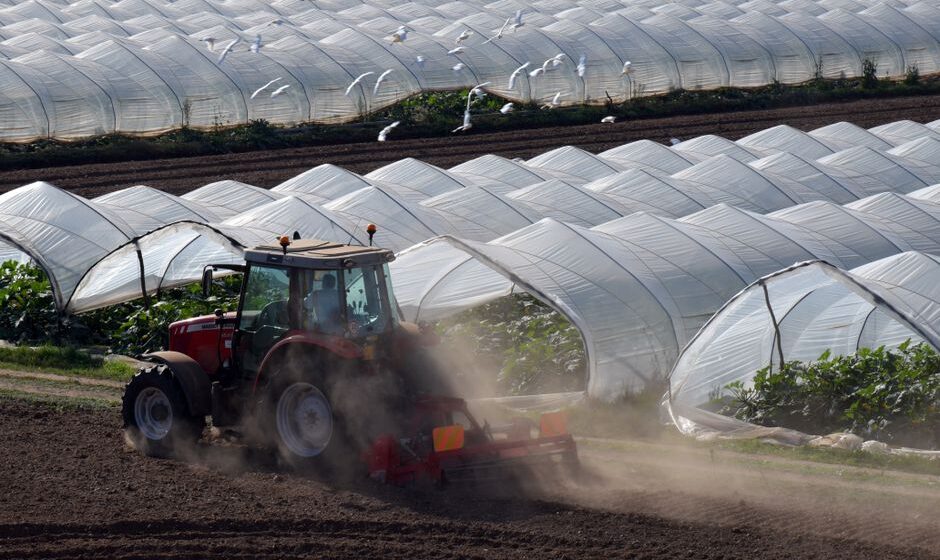

Greenhouses have become an indispensable asset for modern agriculture, providing a controlled environment that allows for year-round cultivation of a variety of plants. Whether you are a commercial grower or a home gardening enthusiast, understanding the different types of greenhouse equipment can significantly enhance your farming efficiency and productivity. In this article, we will explore the essential equipment needed for successful greenhouse cultivation, including their functions and benefits.
Heating Systems
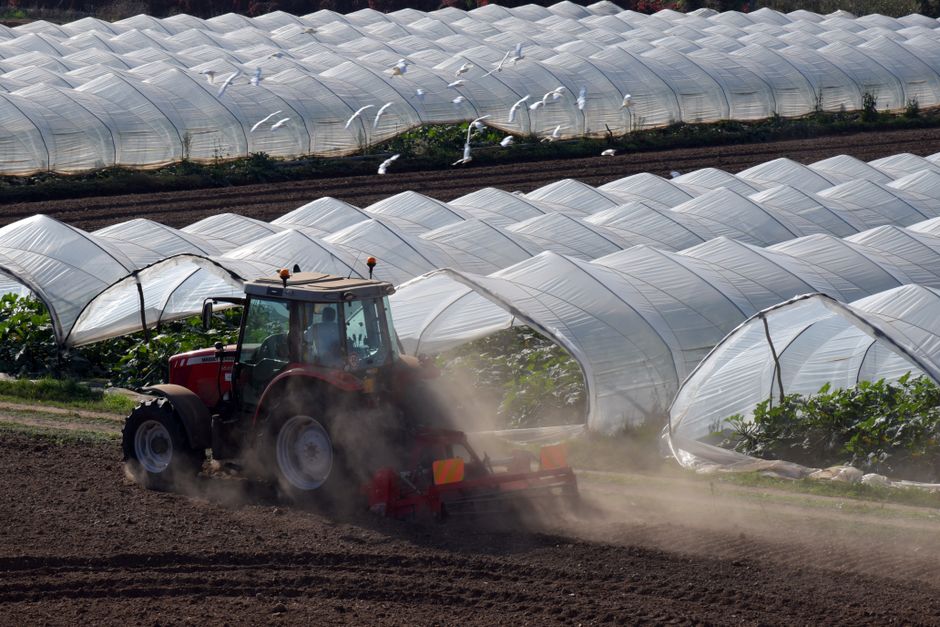
One of the primary considerations when setting up a greenhouse is maintaining an optimal temperature for plant growth. Heating systems are crucial for this purpose, especially in colder climates. There are several types of heating systems available, including gas heaters, electric heaters, and hydronic heating systems. Gas heaters are popular due to their efficiency and lower operational costs, while electric heaters offer easy installation and maintenance.
For larger greenhouses, hydronic heating systems can be an excellent choice as they distribute heat evenly through water-filled pipes. According to a study by the University of Massachusetts, maintaining a greenhouse temperature of 70°F (21°C) during the day and 60°F (16°C) at night can enhance plant growth by 25% compared to unheated greenhouses. Investing in a reliable heating system is, therefore, a critical component of greenhouse equipment.
Cooling Systems
Just as heating is essential, so is cooling. During the hot summer months, temperatures inside a greenhouse can rise significantly, leading to heat stress in plants. Cooling systems, such as exhaust fans, evaporative coolers, and shade cloths, help regulate the internal environment. Exhaust fans are typically installed on one side of the greenhouse to pull hot air out, while evaporative coolers use water to cool the air before it enters the greenhouse.
Shade cloths can also be utilized to protect plants from excessive sunlight, reducing the need for mechanical cooling. A well-designed cooling system not only protects plants but also helps conserve water by minimizing evaporation. According to the American Society for Horticultural Science, proper cooling can improve yield quality by up to 30%.
Lighting Equipment
Natural sunlight is vital for photosynthesis, but in some regions or seasons, supplemental lighting may be necessary to ensure optimal growth. Grow lights, such as LED or fluorescent lights, can be strategically placed to provide the right spectrum of light for plant development. LEDs are particularly efficient as they consume less energy and have a longer lifespan compared to traditional lighting systems.
Research has shown that the right lighting conditions can increase plant productivity by up to 40%. Furthermore, using timers and light meters can help growers optimize light exposure, making this an essential part of greenhouse equipment. By investing in quality lighting, growers can achieve better crop yields and healthier plants.
Irrigation Systems
Effective irrigation is crucial for greenhouse operations. Overwatering and underwatering can both lead to plant stress and reduce yields. Drip irrigation systems are highly recommended as they deliver water directly to the roots, minimizing waste and preventing fungal diseases that can arise from excess moisture on leaves.
Additionally, incorporating automated irrigation controllers can further enhance efficiency by ensuring that plants receive consistent watering based on their specific needs. According to the USDA, implementing efficient irrigation techniques can save up to 50% of water usage in greenhouses, contributing to sustainable farming practices.
Environmental Control Systems
To maintain an ideal growing environment, greenhouse operators often employ environmental control systems that monitor and manage temperature, humidity, and CO2 levels. These systems can be fully automated or semi-automated, allowing for precise control over the internal climate. Sensors placed throughout the greenhouse track conditions and adjust heating, cooling, and ventilation accordingly.
Advanced environmental control systems can lead to significant improvements in crop quality and yield. A study conducted by the National Center for Biotechnology Information found that greenhouses with automated environmental controls produced crops with 25% higher quality compared to those without such systems. This highlights the importance of investing in comprehensive greenhouse equipment that includes these controls.
Conclusion
In conclusion, investing in the right greenhouse equipment is essential for successful cultivation. From heating and cooling systems to lighting, irrigation, and environmental controls, each component plays a vital role in creating an optimal growing environment. By carefully selecting and integrating these systems, growers can significantly enhance their productivity and crop quality. For those looking to explore various options available in the market, a reputable supplier of greenhouse equipment can offer valuable insights and products tailored to specific needs.