
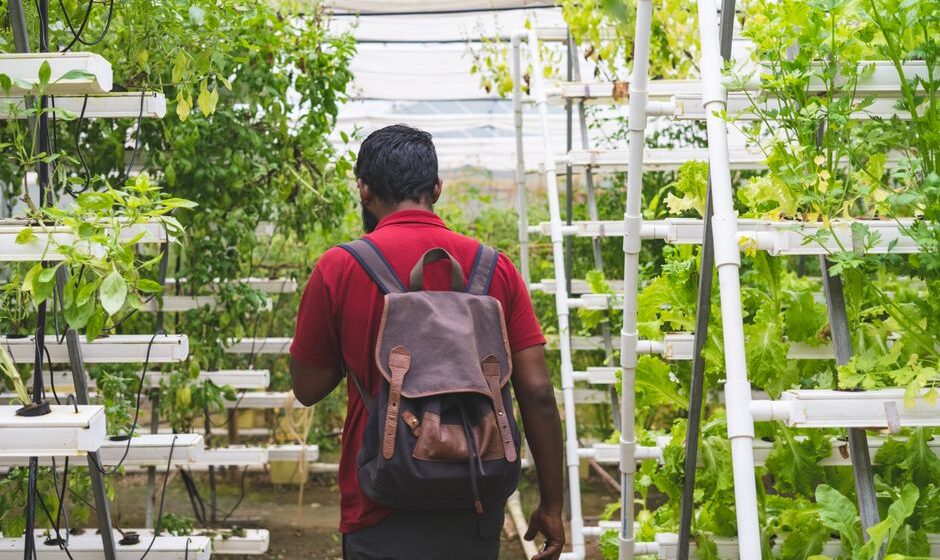

As the global population continues to rise, the demand for sustainable and efficient agricultural practices has never been more critical. Vertical farming technology presents a groundbreaking solution to some of the most pressing challenges faced by traditional farming methods. By utilizing innovative techniques to grow crops in vertically stacked layers, this approach not only maximizes space but also minimizes resource use. In this article, we will delve into the intricacies of vertical farming technology, its benefits, challenges, and its potential to reshape the future of agriculture.
Understanding Vertical Farming
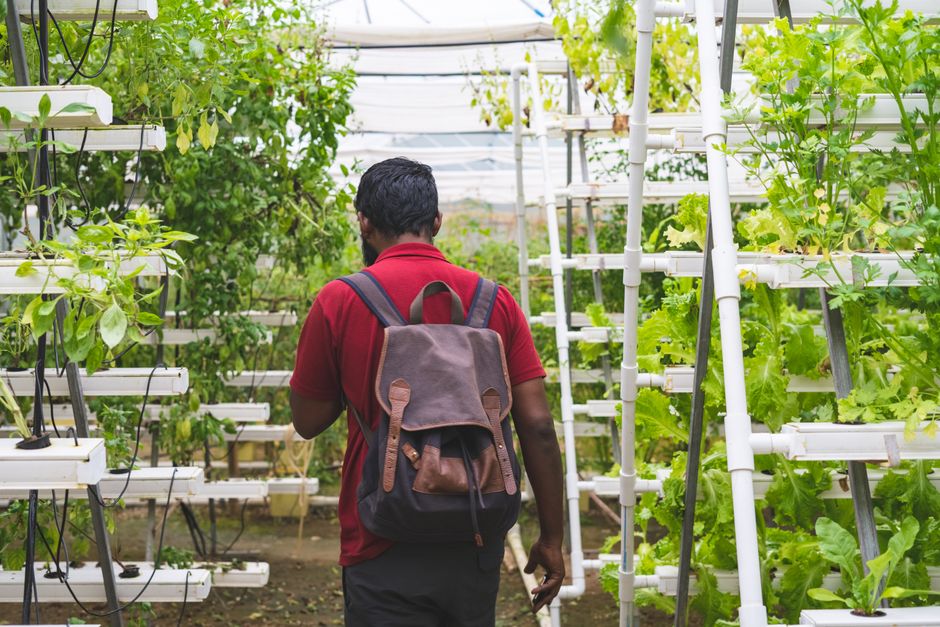
Vertical farming is an innovative agricultural practice that involves growing crops in stacked layers, often within controlled environments. This method can be implemented in urban areas, utilizing buildings or shipping containers, which allows for food production closer to consumers. The concept of vertical farming is not entirely new; however, recent advancements in technology have made it more feasible and efficient than ever before.
One of the key components of vertical farming technology is the use of hydroponics, aeroponics, or aquaponics, which allow for soil-less cultivation. These systems use nutrient-rich water solutions or mist to nourish plants, significantly reducing the amount of water typically required for traditional soil farming. For instance, hydroponic systems can use up to 90% less water than conventional farming methods, making them an environmentally friendly alternative.
Benefits of Vertical Farming
The advantages of vertical farming are numerous and varied. Firstly, vertical farms can produce crops year-round, regardless of external weather conditions. This controlled environment not only leads to higher yields but also reduces the risk of crop failure due to pests or diseases. Additionally, vertical farms can utilize less land than traditional farms, making them ideal for urban settings where space is at a premium.
Moreover, vertical farming technology contributes to a reduction in carbon emissions associated with transporting food over long distances. By localizing food production, urban vertical farms can decrease the carbon footprint of the agricultural sector. For example, a study indicated that vertically farmed produce could be grown within a few miles of where it is consumed, cutting down on transportation emissions significantly.
Challenges Facing Vertical Farming
Despite its many benefits, vertical farming technology is not without its challenges. One of the primary hurdles is the high initial investment required to set up a vertical farm. The cost of infrastructure, technology, and maintenance can be substantial, which can deter potential investors. Furthermore, the energy consumption of vertical farms, particularly when using artificial lighting, can also contribute to operational costs.
Additionally, while vertical farming can produce a variety of crops, certain staples such as grains may not be as economically viable to grow in a vertical system. This limitation means that traditional farming will still play a crucial role in global food production, and vertical farming should be viewed as a complementary approach rather than a wholesale replacement.
The Future of Vertical Farming Technology
As technology continues to advance, the future of vertical farming looks promising. Innovations in LED lighting, automation, and AI are making vertical farming more efficient and cost-effective. For instance, the integration of AI can optimize growing conditions by analyzing data from sensors monitoring temperature, humidity, and nutrient levels.
Furthermore, as consumers become increasingly aware of sustainability and food sourcing, the demand for locally produced, fresh food will continue to rise. This trend is likely to drive investment in vertical farming initiatives. Companies are already exploring the potential of vertical farms to provide fresh produce to urban centers, where access to fresh food can often be limited.
Conclusion
Vertical farming technology represents a revolutionary approach to agriculture that has the potential to address many of the challenges facing food production today. By maximizing space and minimizing resource use, vertical farms can contribute to a more sustainable and efficient food system. While there are challenges to overcome, ongoing advancements in technology and increasing consumer demand for local, fresh produce are paving the way for a future where vertical farming could play a vital role in global food security. For those interested in learning more about this innovative approach, exploring vertical farming technology can provide valuable insights into its implementation and benefits.