
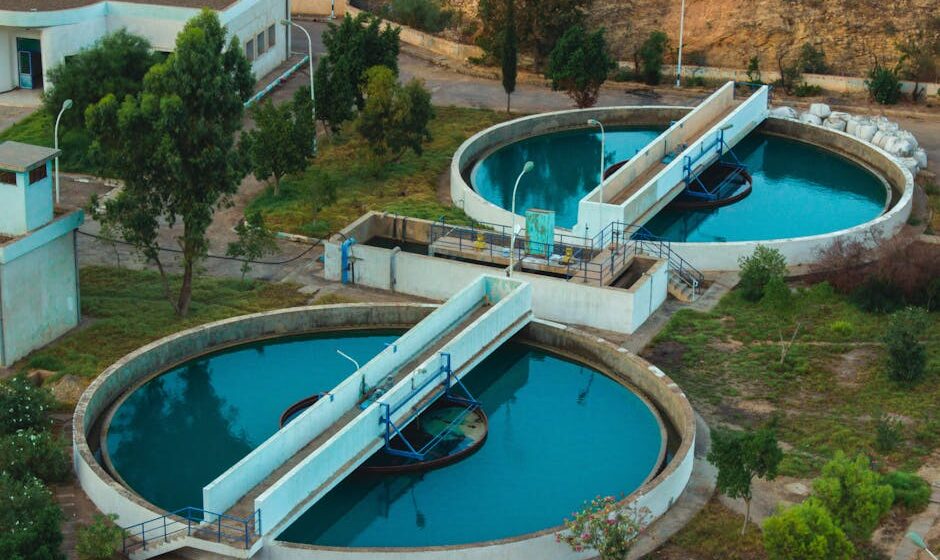

Maintaining a septic tank is crucial for the health of your home and the environment. Neglecting proper septic tank cleaning can lead to costly repairs and environmental hazards. In this article, we will explore the importance of septic tank maintenance, the cleaning process, common issues, and practical tips to ensure your system runs smoothly.
Understanding Your Septic System
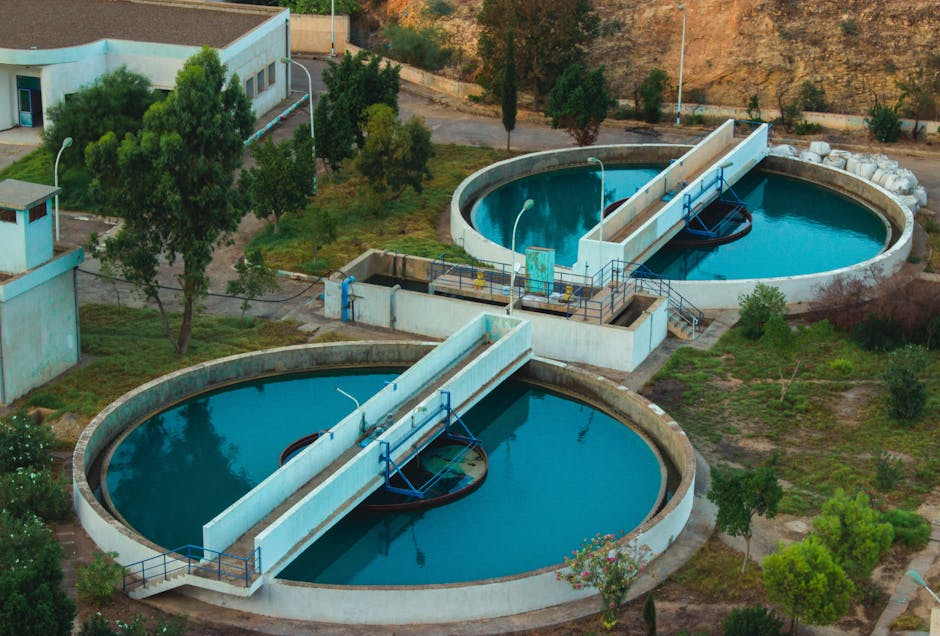
A septic system is an underground wastewater treatment structure that uses a combination of nature and technology to treat wastewater. It typically consists of a septic tank and a drain field. The septic tank holds wastewater from your home, where solids settle at the bottom and liquids flow out to the drain field. Understanding how your septic system works is essential for effective maintenance.
The size and type of your septic tank, as well as the number of occupants in your home, can affect how often you need to clean it. On average, a septic tank should be pumped every 3 to 5 years, but this can vary based on usage and the system’s design.
The Importance of Regular Cleaning
Regular septic tank cleaning is critical to prevent clogs, backups, and costly repairs. A well-maintained septic system can last for decades, while neglecting maintenance can lead to system failure. According to the Environmental Protection Agency (EPA), improper septic system maintenance can contaminate groundwater and surface water, posing risks to public health.
Additionally, failing to clean your septic tank can lead to unpleasant odors and slow drainage in your home. By scheduling regular cleaning, you can avoid these issues and ensure your system operates efficiently.
The Septic Tank Cleaning Process
The septic tank cleaning process typically involves pumping out the accumulated sludge and scum from the tank. A professional septic service will use a vacuum truck to remove the waste, which is then transported to a treatment facility. This process usually takes about an hour but can vary depending on the size of your tank and the amount of waste.
After pumping, the technician may inspect the tank for any signs of damage or wear. This inspection can help identify problems early, allowing for prompt repairs. It is essential to choose a reputable septic service to ensure that the cleaning process is done correctly.
Common Septic Tank Issues
Several issues can arise if septic tank cleaning is neglected. One common problem is overloading the system, which can occur if too much water is used in a short period. This can lead to backups and slow drainage. Additionally, using harsh chemicals can disrupt the natural bacterial balance in the tank, leading to further complications.
Another issue is tree roots infiltrating the drain field. Roots can damage pipes and hinder the system’s ability to treat wastewater effectively. Regular inspections can help identify these issues before they become severe.
Practical Tips for Septic Tank Maintenance
To maintain your septic system effectively, follow these practical tips:
- Limit water usage to prevent overloading the system. Consider installing water-saving fixtures.
- Avoid flushing non-biodegradable items down the toilet, such as wipes or feminine hygiene products.
- Be cautious with the use of harsh chemicals that can disrupt the bacterial balance in your tank.
- Schedule regular inspections and cleaning with a professional service. For more information on septic maintenance, consult with specialists in your area.
- Keep the area around the septic tank and drain field clear of heavy objects, such as vehicles or large landscaping features.
Conclusion
Septic tank cleaning is an essential aspect of home maintenance that should not be overlooked. By understanding your septic system, committing to regular cleanings, and following practical maintenance tips, you can ensure the longevity and efficiency of your septic system. Remember, a well-maintained septic system not only protects your home but also contributes to a healthier environment.