
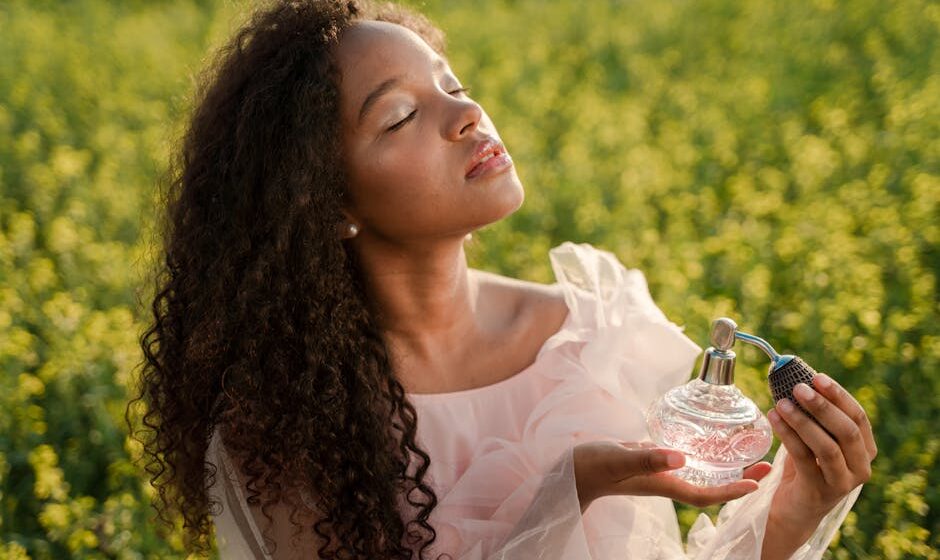

Perfume has always been more than just a scent; it is an extension of our identity, a reflection of our emotions, and a gateway to memories. The power of fragrance can evoke feelings of nostalgia, desire, and even confidence. In this article, we will explore the fascinating world of perfume, its history, components, and the art of fragrance creation.
The History of Perfume
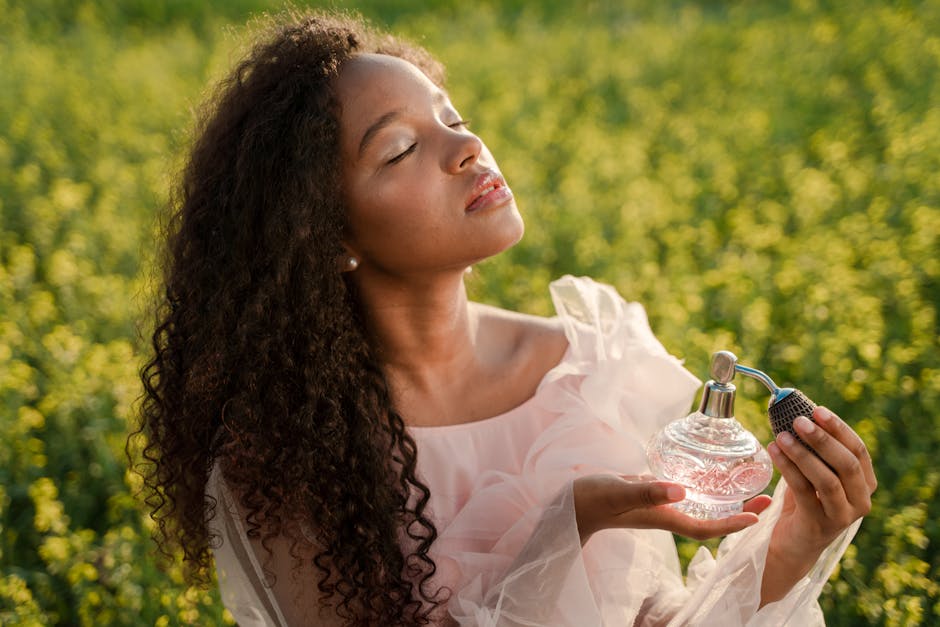
The origin of perfume dates back thousands of years, with the earliest recorded use in ancient Mesopotamia. Egyptians were among the first to harness the power of scent, using it in religious ceremonies and for personal adornment. They crafted oils and perfumes from natural ingredients like flowers, herbs, and spices. As trade routes expanded, the art of perfumery spread across cultures, leading to innovations in fragrance composition.
During the Renaissance, perfume became a symbol of luxury in Europe. The famous Italian city of Florence became a hub for perfumers, where they experimented with various botanicals. This era marked the transition from simple scented oils to complex fragrance blends that we recognize today. By the 19th century, synthetic materials were introduced, allowing for even more creativity in perfume formulation.
The Components of Perfume
Understanding perfume begins with its basic components: notes. Fragrances are typically categorized into three types of notes: top, middle, and base notes. The top notes are the first scents you experience upon application, often fresh and light, such as citrus or herbs. They usually evaporate quickly, giving way to the heart of the fragrance.
The middle notes, or heart notes, develop after the top notes fade. These scents are more robust and can include floral or fruity elements. Finally, the base notes provide depth and longevity to a fragrance. They are often made up of heavier scents like woods, vanilla, and musk, lingering long after the initial application.
Perfumers meticulously balance these notes to create a harmonious scent profile. This balance is crucial; a well-crafted perfume will evolve beautifully over time, revealing different facets as it wears on the skin.
The Art of Fragrance Creation
Creating a perfume is akin to composing a piece of music. It requires creativity, technical knowledge, and an understanding of how different scents interact. Perfumers, or “noses,” spend years honing their craft, often beginning their education in fragrance houses or through apprenticeships.
One notable example of a modern perfumer is Francis Kurkdjian, who founded his own fragrance house, Maison Francis Kurkdjian (MFK). His innovative approach to perfumery has garnered international acclaim. Kurkdjian’s ability to blend unexpected notes has changed the landscape of modern fragrances, encouraging consumers to embrace unique scents that tell a story.
The Influence of Culture on Perfume
Perfume is deeply intertwined with culture and tradition. Different regions have their own fragrance preferences based on climate, available ingredients, and societal norms. For instance, Middle Eastern perfumes often feature rich, oriental notes like amber and oud, while European scents may lean towards lighter, more floral compositions.
In Japan, the practice of “kōdō,” or the way of incense, reflects a cultural appreciation for scent that transcends mere perfumery. This ancient tradition emphasizes the importance of scent in daily life and ceremonies, showcasing the profound impact of fragrance on emotional and spiritual well-being.
The Future of Perfume
As we move into a more sustainable future, the fragrance industry is evolving. Many brands are now focusing on eco-friendly practices, sourcing natural ingredients responsibly, and reducing waste in packaging. This shift is not only beneficial for the environment but also caters to a growing consumer demand for transparency and sustainability in their choices.
Additionally, advancements in technology are changing how we experience perfume. Virtual reality and augmented reality are being explored as ways to enhance the shopping experience, allowing consumers to visualize scents before purchasing them. The future of fragrance promises to be as innovative as it is fragrant.
Conclusion
Perfume is a captivating art form that intertwines history, culture, and science. From its ancient origins to modern creations, fragrance continues to evolve, reflecting our desires and identities. As we explore the world of perfume, we uncover not just scents but stories that resonate with our personal experiences and cultural heritage. Whether you are a casual wearer or a dedicated fragrance enthusiast, the journey through the world of perfume is one filled with discovery and allure.