

Sheet metal fabrication is a crucial process in various industries, including automotive, aerospace, and construction. It involves transforming flat sheets of metal into specific shapes and forms that can be used in various applications. Understanding the intricacies of this process can not only enhance product quality but also improve efficiency and reduce costs. In this article, we will explore the techniques, tools, and applications of sheet metal fabrication, providing insights into why it remains a vital component in modern manufacturing.
Understanding Sheet Metal Fabrication
At its core, sheet metal fabrication refers to the mechanical processes that transform flat sheets of metal into structural components. This process can include cutting, bending, welding, and assembling metal sheets. The materials commonly used in sheet metal fabrication include aluminum, steel, copper, and brass, each offering unique properties suitable for different applications.
One of the primary advantages of sheet metal fabrication is its versatility. Components can be manufactured in a wide range of shapes and sizes, making it ideal for custom projects. For example, the automotive industry relies heavily on this process to create everything from body panels to brackets. Similarly, in the construction sector, sheet metal is used for roofing, ductwork, and structural supports.
Moreover, advancements in technology have led to the development of various tools and equipment that enhance the precision and efficiency of sheet metal fabrication. CNC (Computer Numerical Control) machines, lasers, and plasma cutters are just a few examples of modern technology that allow for intricate designs and high-volume production.
Key Techniques in Sheet Metal Fabrication
Several techniques are employed in sheet metal fabrication, with each technique serving a specific purpose depending on the desired outcome. Cutting is often one of the first steps, where metal sheets are cut to size using methods like shearing or laser cutting. Laser cutting, in particular, provides high precision and can create complex shapes without the need for extensive tooling.
Once the sheets are cut, the next step is often bending. Bending involves reshaping the metal sheets along predetermined lines to achieve the desired angles. This is typically done using press brakes or other bending machines, which apply force to bend the metal accurately.
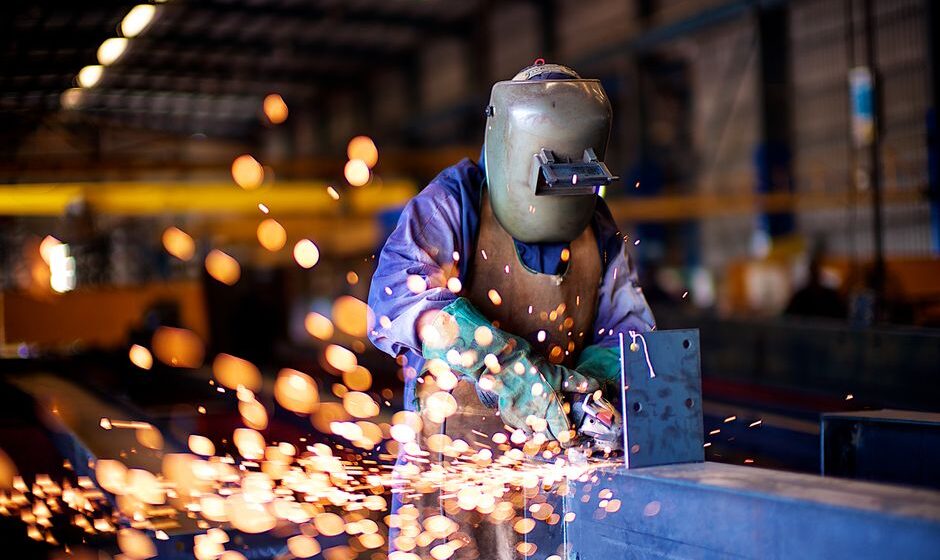
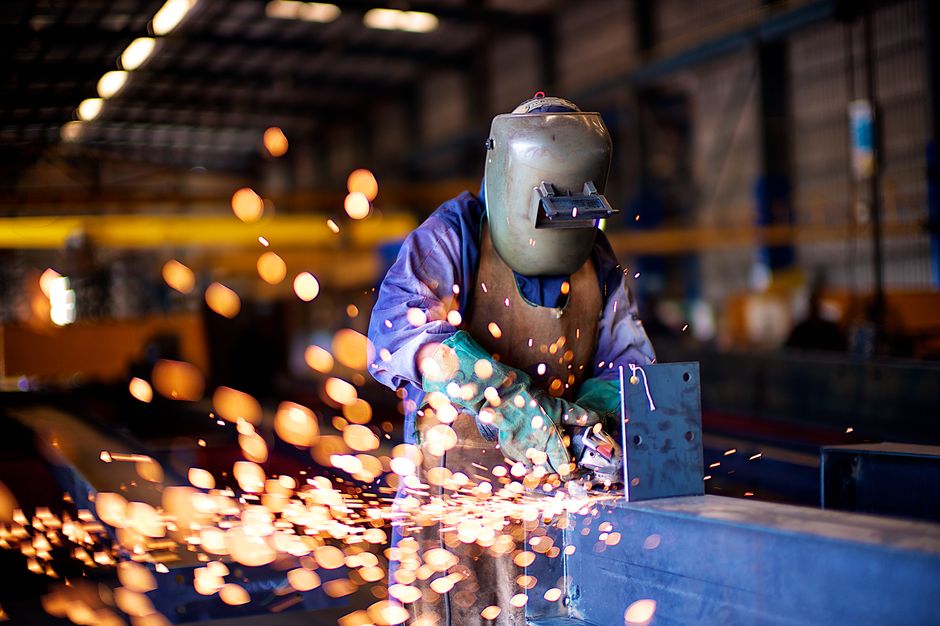
Welding is another critical aspect of sheet metal fabrication. It involves joining two or more pieces of metal together using heat and pressure. Different welding techniques, such as MIG (Metal Inert Gas) and TIG (Tungsten Inert Gas), are used based on the materials being joined and the required strength of the weld.
Applications of Sheet Metal Fabrication
The applications of sheet metal fabrication are vast and varied. In the automotive industry, it plays a significant role in manufacturing vehicle bodies, chassis, and other components that require durability and lightweight properties. For instance, the shift towards electric vehicles has increased the demand for lightweight materials, making aluminum and advanced steel alloys popular choices in fabrication.
The aerospace industry also heavily utilizes sheet metal fabrication for components such as fuselage and wing structures. These components must meet strict safety and performance standards, and the precision offered by modern fabrication techniques ensures that these standards are met consistently.
In addition to these industries, sheet metal fabrication is essential in the production of consumer goods, appliances, and even furniture. As consumers increasingly seek customized products, the ability to manufacture unique designs through sheet metal fabrication becomes a competitive advantage for businesses.
Benefits of Sheet Metal Fabrication
There are numerous benefits associated with sheet metal fabrication. First and foremost, it allows for high levels of customization. Manufacturers can create tailored components that meet specific needs, which is especially important in sectors like aerospace and automotive, where precision is key.
Cost-effectiveness is another significant advantage. By optimizing the fabrication process and reducing waste, companies can lower production costs while maintaining quality. Additionally, the durability of sheet metal products often results in lower maintenance costs over time.
Furthermore, the scalability of sheet metal fabrication makes it suitable for both small-scale and large-scale production runs. Whether a business needs a single prototype or thousands of identical parts, sheet metal fabrication can accommodate varying demands efficiently.
Future Trends in Sheet Metal Fabrication
As technology continues to evolve, so too does the field of sheet metal fabrication. Automation and robotics are becoming increasingly prevalent, allowing for faster production times and reduced labor costs. Automated systems can handle repetitive tasks, freeing skilled workers to focus on more complex operations.
Additionally, the integration of Industry 4.0 concepts, such as the Internet of Things (IoT) and advanced data analytics, is enhancing the efficiency of fabrication processes. Real-time monitoring and data collection can help identify inefficiencies and optimize production schedules.
Finally, sustainability is becoming a critical focus in sheet metal fabrication. Manufacturers are exploring eco-friendly materials and processes to reduce their environmental impact, aligning with global trends towards sustainability and corporate responsibility.
Conclusion
In summary, sheet metal fabrication is a vital process that underpins many industries today. Its versatility, efficiency, and ability to produce customized components make it essential for modern manufacturing. As technology advances and industries evolve, sheet metal fabrication will undoubtedly continue to play a pivotal role in shaping the future of production. For those interested in diving deeper into the intricacies of this process, resources and information about sheet metal fabrication can provide valuable insights.