
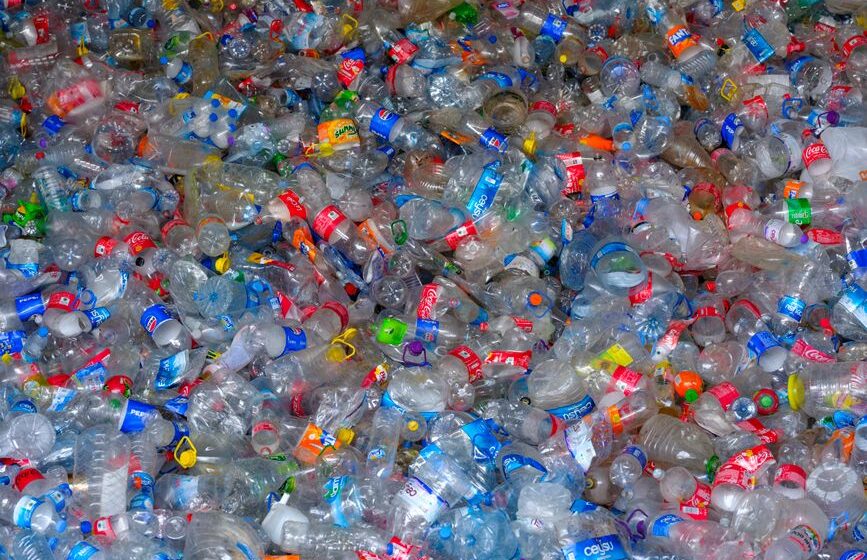

As global concerns about environmental sustainability grow, the role of plastic recycling companies has become increasingly crucial. These companies not only help reduce the amount of waste that ends up in landfills but also contribute to the conservation of natural resources. By recycling plastics, we can create a circular economy that minimizes waste and maximizes resource efficiency. This article delves into the various aspects of plastic recycling companies, examining their importance, processes, and the future of recycling in an evolving world.
Understanding Plastic Waste and Its Impact
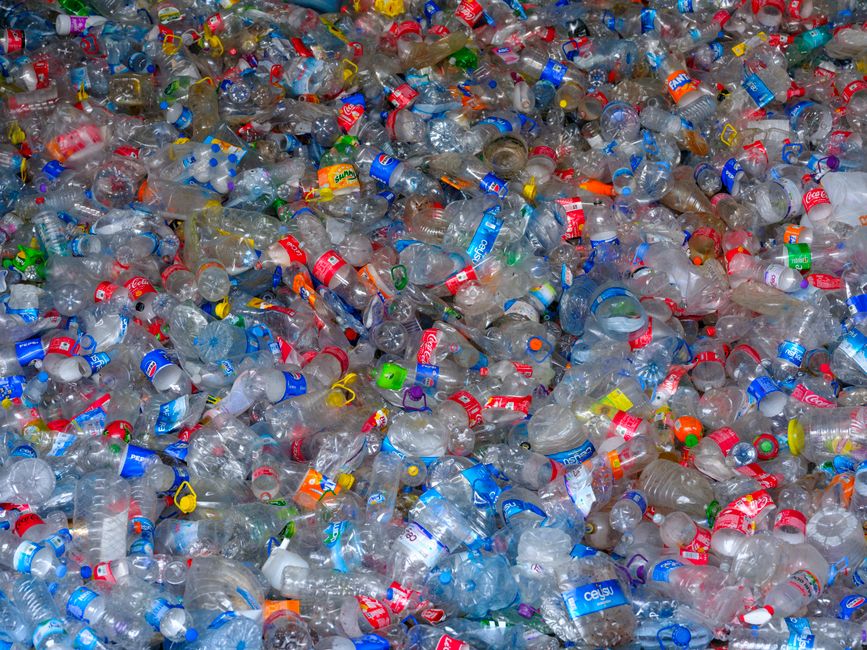
Plastic waste is one of the most pressing environmental issues we face today. According to the World Economic Forum, over 300 million tons of plastic are produced each year, with a significant portion ending up in oceans and landfills. This plastic pollution not only harms wildlife but also poses serious health risks to humans. Plastic recycling companies play a vital role in addressing this issue by converting discarded plastics into reusable materials.
The impact of plastic waste is felt worldwide, with estimates suggesting that by 2050, there could be more plastic than fish in the oceans. This alarming statistic underscores the need for effective recycling strategies. Plastic recycling companies are at the forefront of these strategies, implementing innovative processes to reclaim valuable materials from waste.
The Recycling Process: How It Works
The recycling process involves several steps that are essential for transforming plastic waste into new products. The first step is collection, where plastic materials are gathered from various sources, including households, businesses, and industrial facilities. Next, the collected plastics are sorted based on their type and color, which is crucial for ensuring that the recycling process is efficient and effective.
Once sorted, the plastics are cleaned to remove any contaminants, such as food residues or labels. This cleaning process is vital, as impurities can compromise the quality of the recycled material. After cleaning, the plastics are shredded into small pieces, making them easier to process. These shredded plastics are then melted down and formed into pellets, which can be used to manufacture new products.
It’s worth noting that the recycling process isn’t just about reusing materials; it also reduces energy consumption and greenhouse gas emissions compared to producing new plastics from raw materials. For instance, recycling PET (polyethylene terephthalate) can save up to 66% of the energy required for virgin production.
The Role of Technology in Plastic Recycling
Advancements in technology have significantly improved the efficiency and effectiveness of plastic recycling companies. Innovations such as advanced sorting technologies, automated systems, and AI-driven analytics have transformed traditional recycling methods. These technologies enable companies to process larger volumes of plastics with greater accuracy, resulting in higher quality recycled materials.
Moreover, research into biodegradable plastics and alternative materials has opened new avenues for reducing plastic waste. Some companies are now exploring the use of enzymes to break down plastics at the molecular level, offering a potential solution for recycling hard-to-process materials.
As technology continues to evolve, plastic recycling companies must stay ahead of the curve to adapt to new challenges and opportunities. The integration of sustainable practices and cutting-edge technology will be essential for the future of recycling.
Challenges Faced by Plastic Recycling Companies
Despite the crucial role they play, plastic recycling companies face several challenges. One of the main issues is contamination of recyclable materials. Contaminated plastics are often deemed unsuitable for recycling, leading to increased waste. Public awareness and education about proper recycling practices are vital in overcoming this challenge.
Additionally, fluctuations in the global market for recycled materials can affect the viability of recycling operations. When demand for recycled plastics decreases, companies may struggle to maintain profitability. This economic instability highlights the need for policies that support recycling initiatives and create a more stable market for recycled goods.
Furthermore, the lack of standardized recycling systems across regions can complicate the recycling process. Different areas may have varying guidelines for what can be recycled, leading to confusion among consumers. Plastic recycling companies must navigate these complexities to ensure effective operations.
The Future of Plastic Recycling
The future of plastic recycling companies looks promising, with growing recognition of the importance of sustainable practices. Governments and businesses are increasingly investing in recycling infrastructure and technology. For instance, many cities are implementing comprehensive recycling programs to enhance public participation and reduce waste.
Moreover, consumer demand for sustainable products is on the rise. As more individuals seek environmentally friendly options, companies that prioritize recycling and sustainability will likely thrive. This shift in consumer behavior presents a unique opportunity for plastic recycling companies to expand their operations and develop innovative solutions.
In conclusion, plastic recycling companies are essential to addressing the global plastic waste crisis. By implementing effective recycling processes, leveraging technology, and overcoming challenges, these companies contribute significantly to environmental sustainability. As we move forward, supporting and investing in the recycling industry will be crucial for creating a cleaner, greener planet.
For those interested in learning more about effective recycling strategies, consider exploring a reputable plastic recycling company to see how they operate and contribute to sustainability efforts.