


Aviation insurance is a specialized field that encompasses a variety of coverage options tailored for the aviation industry. This type of insurance protects against various risks associated with flying, including damage to aircraft, liability for passenger injuries, and even environmental damages. As the aviation industry continues to grow, understanding the nuances of aviation insurance becomes increasingly important for aircraft owners and operators.
The Importance of Aviation Insurance
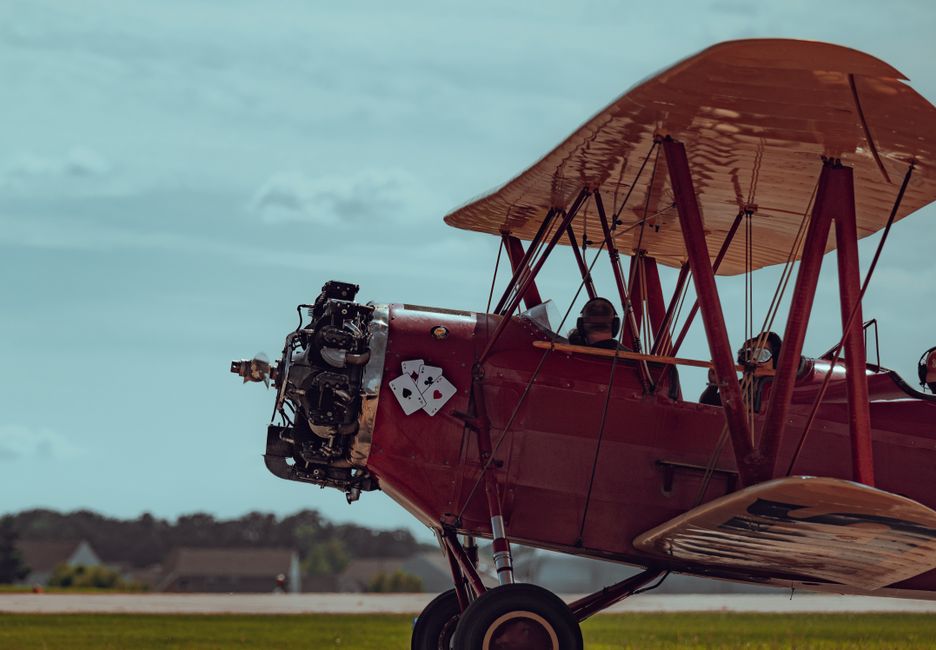
The aviation sector is one of the most regulated industries in the world, and with that comes the necessity for comprehensive insurance coverage. Aviation insurance serves as a safety net for operators, ensuring they are protected against unexpected liabilities and accidents. According to the International Air Transport Association (IATA), the global airline industry is projected to generate $800 billion in revenue by 2023, making it essential for companies to secure their investments through proper insurance.
Moreover, aviation insurance is not just about protecting the aircraft itself; it also covers third-party liabilities. For example, if an aircraft were to crash and cause damage to property or injure individuals on the ground, the insurance would cover those liabilities. This aspect of aviation insurance is crucial for maintaining a trustworthy relationship with the public and regulatory bodies.
Types of Aviation Insurance
Aviation insurance can be broken down into several categories, each catering to different needs within the aviation industry. The primary types include:
- Hull Insurance: This covers physical damage to the aircraft itself, whether it is on the ground or in the air.
- Liability Insurance: This protects against claims made by passengers or third parties for injuries or damages caused by the aircraft.
- Ground Risk Hull Insurance: This covers damage to the aircraft while it is on the ground, typically before takeoff.
- Passenger Liability Insurance: This is specifically designed to cover claims made by passengers in the event of an accident.
Each of these types of insurance serves a different purpose and can be customized based on the unique needs of the operator or owner.
Factors Influencing Aviation Insurance Premiums
The cost of aviation insurance can vary significantly based on several factors. Key considerations include:
- Type of Aircraft: The make, model, and age of the aircraft can influence premiums. Newer and more advanced aircraft may command higher insurance costs due to their higher value.
- Usage: How the aircraft is used (commercial vs. private) also impacts insurance rates. Commercial operations typically carry higher risks, leading to higher premiums.
- Pilot Experience: The qualifications and flight hours of the pilot play a crucial role. Experienced pilots with clean records often qualify for lower rates.
Understanding these factors can help aircraft owners make informed decisions when selecting coverage.
Claim Process in Aviation Insurance
In the event of an incident, knowing how to navigate the claims process is essential. The claim process for aviation insurance typically involves several key steps:
- Notification: Inform the insurance provider as soon as possible after an incident occurs.
- Documentation: Gather and provide all necessary documentation, including accident reports, witness statements, and any other relevant information.
- Investigation: The insurance company will conduct an investigation to assess the claim.
- Resolution: Once the investigation is complete, the insurer will determine the payout based on the policy terms.
Being proactive and detailed during the claims process can lead to a quicker resolution and ensure that you receive the coverage you’re entitled to.
Future Trends in Aviation Insurance
The aviation insurance landscape is continually evolving, influenced by technological advancements and changing regulatory environments. One significant trend is the increasing use of data analytics and artificial intelligence to assess risks and determine premiums. Insurers are now leveraging big data to predict potential claims and adjust their offerings accordingly.
Furthermore, the rise of drones and unmanned aerial vehicles (UAVs) is creating new challenges and opportunities within the aviation insurance sector. As these technologies become more prevalent, specialized insurance products will likely emerge to address the unique risks they pose.
Additionally, climate change and environmental concerns are prompting insurers to consider sustainability factors when underwriting policies, which may lead to more tailored coverage options in the future.
Conclusion
Aviation insurance is a vital aspect of operating within the aviation industry. Understanding the various types of coverage, the factors that influence premiums, and the claims process can empower aircraft owners and operators to make informed decisions. As the industry continues to evolve, staying abreast of trends and changes in aviation insurance will be essential for ensuring adequate protection.
For more information about comprehensive coverage options, consider exploring aviation insurance tailored to your specific needs.