
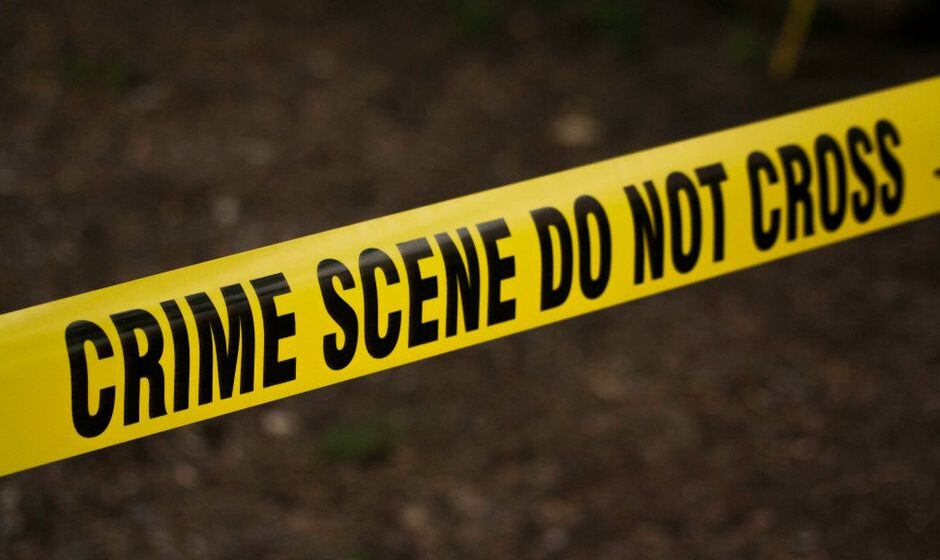

The aftermath of a crime can be a chaotic and traumatic experience for those involved. Beyond the emotional toll, there is also a pressing need for thorough cleanup of the crime scene. This process, known as crime scene cleanup, is essential not only for the restoration of the location but also for the health and safety of the community. In this article, we will explore the intricacies of crime scene cleanup, its importance, and the procedures involved.
The Importance of Crime Scene Cleanup
Crime scene cleanup is not just about tidying up after a traumatic event; it is a critical service that addresses biohazards, emotional distress, and legal considerations. The presence of bodily fluids, chemicals, and other hazardous materials can pose significant health risks. For instance, blood can carry various pathogens, making professional cleanup essential to prevent disease transmission.
Moreover, the psychological impact of a crime scene can linger long after the event. A professional cleanup can aid in the healing process for victims and their families. By removing physical reminders of the trauma, it allows individuals to begin the journey towards recovery and reclaiming their space.
Steps Involved in the Cleanup Process
The process of crime scene cleanup typically follows several key steps. First, the area is assessed to determine the extent of contamination. This assessment is crucial for developing an appropriate cleanup plan. Next, professionals will don protective gear to ensure their safety as they work.
Once equipped, the actual cleaning begins. This involves removing any hazardous materials, sanitizing surfaces, and disposing of waste in accordance with local regulations. For example, biohazard waste must be disposed of in specialized containers to prevent any environmental contamination.
Challenges Faced by Cleanup Professionals
Professionals in the crime scene cleanup industry face numerous challenges. One major issue is the emotional toll of the work. Dealing with the aftermath of violent crimes can be psychologically taxing, leading to burnout among workers. To mitigate this, many companies provide support and counseling services for their staff.
Additionally, the industry is often subject to strict regulations. Cleanup crews must adhere to health and safety guidelines, which can vary by region. Keeping abreast of these regulations is vital to ensure compliance and protect both workers and the community.
Choosing the Right Cleanup Service
When selecting a crime scene cleanup service, it is important to look for companies that are certified and experienced. A reputable service will have a proven track record and trained professionals who can handle the complexities of the job. It is also beneficial to choose a company that provides 24/7 emergency services, as the need for cleanup can arise at any time.
Furthermore, potential clients should inquire about the cleanup process and the measures taken to ensure safety and compliance. Understanding these aspects can provide peace of mind during a difficult time.
Conclusion
Crime scene cleanup is a vital service that plays a significant role in community health and recovery after traumatic events. By understanding the importance of this profession and the processes involved, individuals can make informed decisions when faced with such circumstances. Whether it is restoring a physical space or aiding in emotional healing, crime scene cleanup is an essential step in moving forward.