
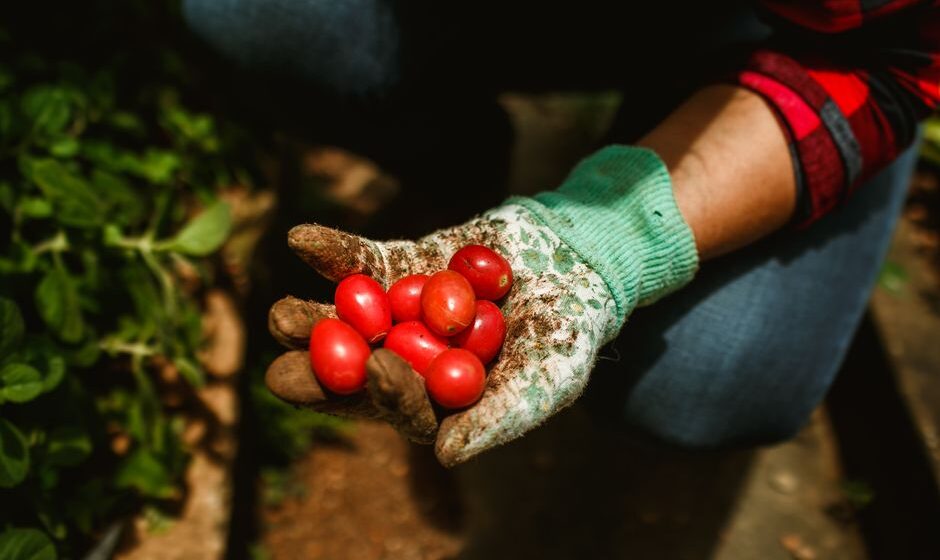

Organic farming has gained significant traction over the past few decades as consumers become increasingly aware of the health and environmental impacts of their food choices. To meet this growing demand, farmers need reliable and effective organic farming supplies that not only support sustainable practices but also enhance crop yields and soil health. In this article, we will explore the essential supplies for organic farming, their benefits, and how they contribute to a sustainable agricultural system.
The Importance of Organic Farming Supplies

Organic farming supplies play a crucial role in the success of any organic farming operation. These supplies include everything from seeds and fertilizers to pest control products and soil amendments. Using the right supplies ensures that farmers can produce high-quality crops while adhering to organic standards. Moreover, these supplies often promote biodiversity and improve soil fertility, which are essential for long-term sustainability.
For instance, organic fertilizers, such as compost and manure, are rich in nutrients and improve the soil structure. They not only provide essential nutrients for crops but also enhance the microbial activity in the soil, leading to healthier plants. On the other hand, synthetic fertilizers can degrade soil health and lead to nutrient imbalances over time.
Types of Organic Farming Supplies
When it comes to organic farming, there are several categories of supplies that farmers should consider. Each category serves a specific purpose and helps maintain a balanced ecosystem on the farm.
1. **Seeds and Plants**: Organic seeds are fundamental to organic farming. Farmers should source seeds that are certified organic to ensure compliance with organic standards. Additionally, using heirloom varieties can enhance biodiversity and resilience against pests and diseases.
2. **Fertilizers**: Organic fertilizers, such as bone meal, blood meal, and fish emulsion, provide essential nutrients to plants while improving soil health. These fertilizers release nutrients slowly, ensuring that plants have a continuous supply of nutrients throughout the growing season.
3. **Pest Control**: Effective pest control is vital for protecting crops from harmful insects and diseases. Organic pest control methods include the use of beneficial insects, organic pesticides derived from natural sources, and cultural practices like crop rotation. For example, introducing ladybugs can help control aphid populations without harming the ecosystem.
4. **Soil Amendments**: Soil health is the foundation of organic farming. Using amendments like compost, cover crops, and green manures can improve soil structure, increase organic matter, and enhance nutrient availability. Keeping the soil healthy leads to vigorous plant growth and better yields.
Sourcing Organic Farming Supplies
Finding reliable sources for organic farming supplies can sometimes be challenging. Farmers should look for suppliers who specialize in organic products and are certified organic themselves. This ensures that the supplies meet the necessary standards and are safe for both the environment and human health.
Online platforms have emerged as valuable resources for sourcing organic farming supplies. Many suppliers offer a wide range of products, including organic farming supplies that are essential for successful organic practice. Additionally, local cooperatives and agricultural extension services can provide guidance and recommendations for sourcing quality supplies.
The Future of Organic Farming Supplies
The landscape of organic farming supplies is constantly evolving. Innovations in sustainable agriculture are leading to the development of new products that enhance organic practices. For example, biopesticides and biofertilizers are gaining popularity as effective alternatives to conventional products.
As consumer demand for organic products continues to rise, it is essential for farmers to stay informed about the latest trends and technologies in organic farming supplies. Participating in workshops, webinars, and industry conferences can provide valuable insights and help farmers make informed decisions about their supply choices.
Conclusion
In conclusion, organic farming supplies are integral to the success of sustainable agriculture. By investing in quality seeds, fertilizers, pest control methods, and soil amendments, farmers can enhance their crop yields while promoting environmental health. As the organic sector continues to grow, staying informed and connected with reliable suppliers will be essential for farmers looking to thrive in this dynamic industry. Embracing organic farming not only benefits individual farmers but also contributes to a healthier planet for future generations.