
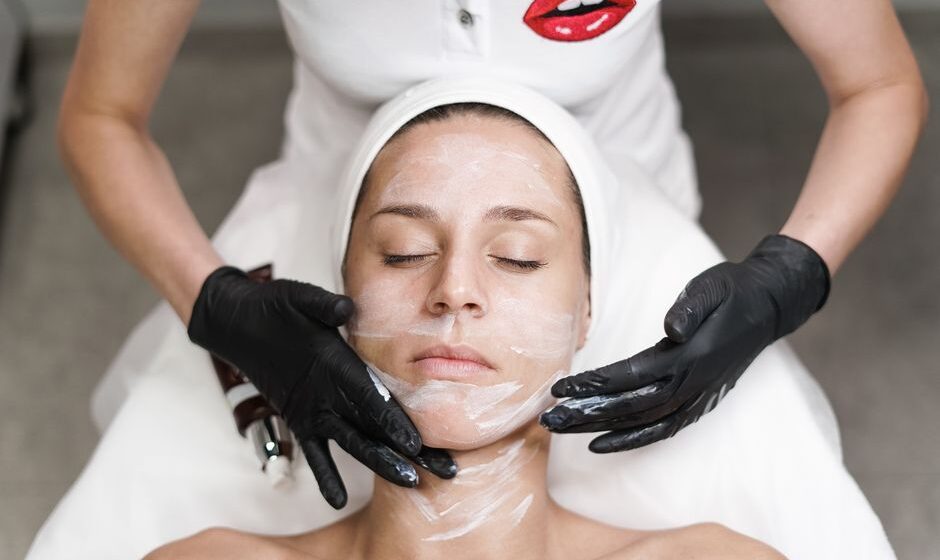

Chemical peel treatments have gained significant popularity in recent years as a method to rejuvenate the skin and address various skin issues. Many individuals are seeking these treatments to achieve a more youthful appearance and improve skin texture. However, it’s essential to understand the different types of chemical peels available, their benefits, and potential side effects before making a decision. This article delves into the world of chemical peels, offering insights into what one can expect from these treatments.
Understanding Chemical Peels
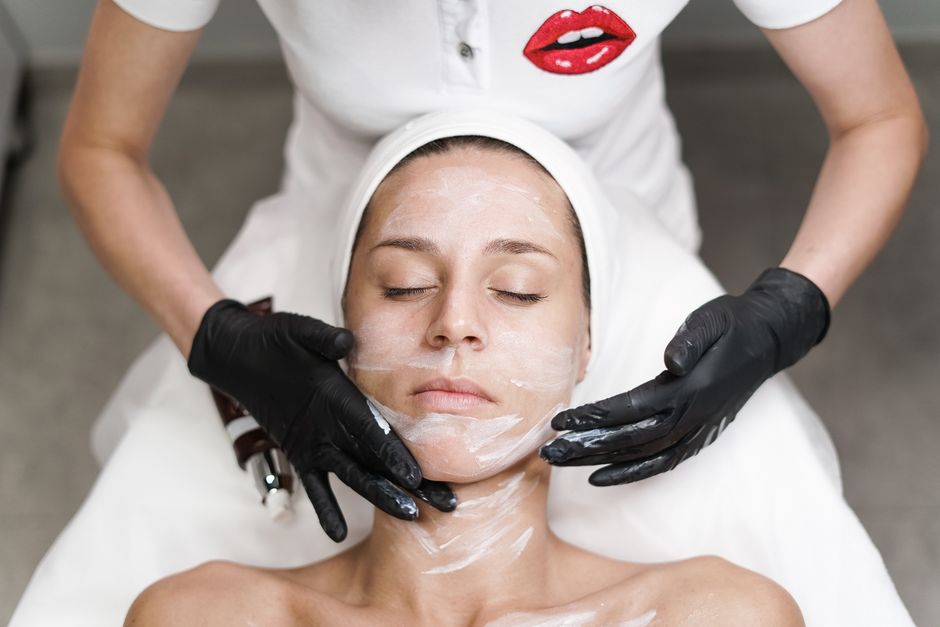
Chemical peels are cosmetic procedures that involve the application of a chemical solution to the skin. This solution causes the outer layer of skin to exfoliate and eventually peel off, revealing fresher, smoother skin underneath. There are three main types of chemical peels: superficial, medium, and deep peels, each varying in their intensity and the depth of skin they affect.
Superficial peels are the mildest, targeting only the outer layer of skin (epidermis). They are often used to treat minor issues such as dry skin, light discoloration, and rough texture. Medium peels penetrate deeper into the skin and can address more significant concerns such as sun damage and moderate wrinkles. Deep peels, on the other hand, reach the lower dermal layers and are typically used for severe skin issues, but they require more recovery time.
Choosing the right type of peel depends on various factors, including skin type, the specific skin issues being addressed, and the desired results. Consulting with a qualified dermatologist is crucial for determining the most suitable option.
The Benefits of Chemical Peels
Chemical peels offer numerous benefits, making them an attractive option for individuals looking to enhance their skin’s appearance. One of the primary advantages is the improvement in skin texture. After the peeling process, many patients report smoother skin and a more even tone.
Additionally, chemical peels can effectively reduce the appearance of fine lines and wrinkles, making them a popular choice among those seeking anti-aging solutions. Studies have shown that regular treatments can significantly diminish signs of aging, leading to a more youthful look.
Moreover, chemical peels can be beneficial in treating acne and acne scars. The exfoliation process helps unclog pores and reduce the frequency of breakouts, while also diminishing the appearance of scars over time. These treatments can also improve the skin’s overall health by promoting the production of new skin cells.
Potential Side Effects and Considerations
While chemical peels can offer significant benefits, they are not without risks. Common side effects may include redness, swelling, and peeling, which typically subside within a few days. However, more severe reactions, such as scarring or changes in pigmentation, can occur, especially with deeper peels.
It is essential to have realistic expectations and to understand that results can vary from person to person. Not everyone is an ideal candidate for chemical peels. Certain skin types or conditions may increase the risk of complications, making it vital to consult with a healthcare professional.
Post-treatment care is also critical for achieving the best results. Patients are often advised to avoid sun exposure, use gentle skin care products, and keep the skin moisturized to aid in recovery and enhance the treatment’s effectiveness.
Cost and Accessibility
The cost of chemical peel treatments can vary widely based on the type of peel, the provider’s expertise, and the location of the clinic. On average, superficial peels may cost between $150 to $400, while medium and deep peels can range from $600 to $3,000. It’s essential to consider these costs when planning for treatment.
Insurance coverage for chemical peels is generally limited, as these procedures are often classified as cosmetic. Patients should check with their insurance providers to understand their coverage options.
Accessibility to these treatments has improved, with many clinics now offering a range of options. Researching and finding a qualified and experienced provider is crucial to ensure safety and achieve desired results.
Conclusion
Chemical peel treatments can be an effective solution for individuals looking to improve their skin’s appearance and address specific concerns. By understanding the different types of peels and their benefits, as well as the potential risks involved, individuals can make informed decisions. It is advisable to consult with a dermatologist to determine the best course of action tailored to one’s unique skin needs. For those considering these treatments, exploring a reliable source of information is crucial, such as the chemical peel treatment guide provided by medical professionals.