
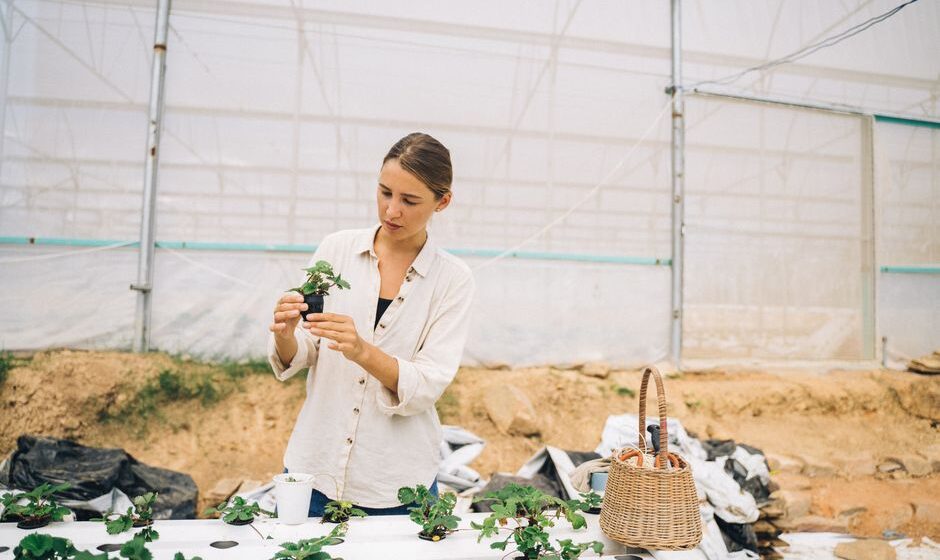

Aquaponics has emerged as a revolutionary method of food production, combining aquaculture and hydroponics to create a self-sustaining ecosystem. This innovative approach not only maximizes space but also minimizes water usage, making it an ideal solution for urban gardeners and sustainability enthusiasts alike. As more people seek efficient ways to grow their own food, aquaponics kits have gained popularity, offering a simplified way to start this eco-friendly practice.
What is Aquaponics?
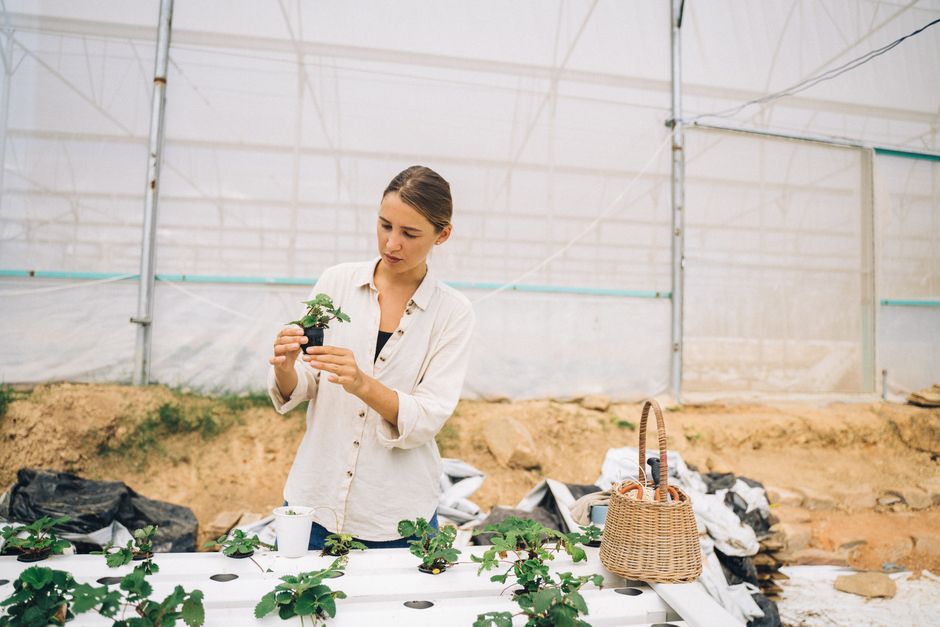
Aquaponics is a system where fish and plants are grown together in a symbiotic environment. In this setup, fish waste provides an organic nutrient source for the plants, while the plants help filter and purify the water for the fish. This closed-loop system significantly reduces the need for chemical fertilizers and conserves water, making it a highly sustainable method of food production.
The concept of aquaponics is not new; it has been practiced for centuries in various cultures around the world. However, the modern adaptation has been refined to cater to home gardeners and urban dwellers who wish to engage in sustainable practices. With an aquaponics kit, individuals can easily implement this system in their homes, whether in a backyard, balcony, or even indoors.
Benefits of Using Aquaponics Kits
One of the most significant advantages of aquaponics kits is their efficiency. Traditional gardening often requires extensive resources in terms of water, land, and fertilizers. In contrast, aquaponics uses up to 90% less water than conventional farming methods. This is particularly beneficial in regions facing water scarcity, allowing communities to grow food sustainably.
Moreover, aquaponics kits are designed to be user-friendly. They come with all the necessary components, such as tanks, pumps, grow beds, and instructional manuals. This makes it easier for beginners to get started without needing extensive gardening knowledge. For instance, a typical aquaponics kit will include a fish tank, grow bed, and a water pump, allowing users to set up their system within a few hours.
Additionally, aquaponics promotes biodiversity by allowing a variety of plants and fish to coexist. Home gardeners can choose from a wide range of vegetables, herbs, and fish species, tailoring their aquaponics systems to their preferences and dietary needs. This not only enhances the nutritional value of their harvest but also encourages a more varied diet.
Choosing the Right Aquaponics Kit
When selecting an aquaponics kit, several factors should be considered. First, determine the available space for the system. Kits come in various sizes, from small countertop models to larger setups suitable for backyards. It is essential to choose a kit that fits comfortably within the designated area.
Another consideration is the type of fish and plants you wish to grow. Some kits are designed for specific fish species, such as tilapia or goldfish, while others may be more versatile. Researching compatible plant varieties can also help optimize the performance of the system. For example, leafy greens like lettuce and herbs like basil thrive well in aquaponics systems.
Lastly, it’s crucial to evaluate the kit’s components and quality. Look for kits that include durable materials and reliable pumps. A well-constructed aquaponics kit will ensure longevity and efficiency, providing a seamless gardening experience.
Maintenance and Care for Your Aquaponics System
While aquaponics systems are designed to be low-maintenance, they still require regular care and monitoring. It’s essential to check water quality frequently, ensuring that pH levels, ammonia, and nitrate concentrations remain within optimal ranges. Over time, fish waste accumulates, and periodic water changes may be necessary to maintain a healthy environment.
Feeding the fish is another critical aspect of system maintenance. Providing a balanced diet tailored to the fish species is vital for their health and growth. Regular feeding schedules and portion control can prevent overfeeding, which can lead to water quality issues.
Finally, monitoring plant growth and health is essential. If plants show signs of nutrient deficiencies or pests, immediate action should be taken to remedy the situation. Regular pruning and harvesting will also encourage healthy growth and yield.
Conclusion: Embracing Aquaponics for a Sustainable Future
Aquaponics kits offer an exciting opportunity for individuals and families to engage in sustainable gardening while enjoying the benefits of homegrown food. The combination of fish and plant cultivation creates a unique ecosystem that conserves resources and promotes biodiversity. Whether you’re a seasoned gardener or a beginner, investing in an aquaponics kit can transform your approach to food production.
By adopting aquaponics, you not only contribute to a more sustainable food system but also enjoy the satisfaction of growing your own food. As the demand for sustainable practices continues to rise, incorporating an aquaponics kit into your lifestyle can be a step towards a greener future. For those looking to start this journey, exploring options for an aquaponics kit can be a great first step towards self-sufficiency and environmental stewardship. If you’re interested in exploring these kits further, you can check out various options available at aquaponics kit.