
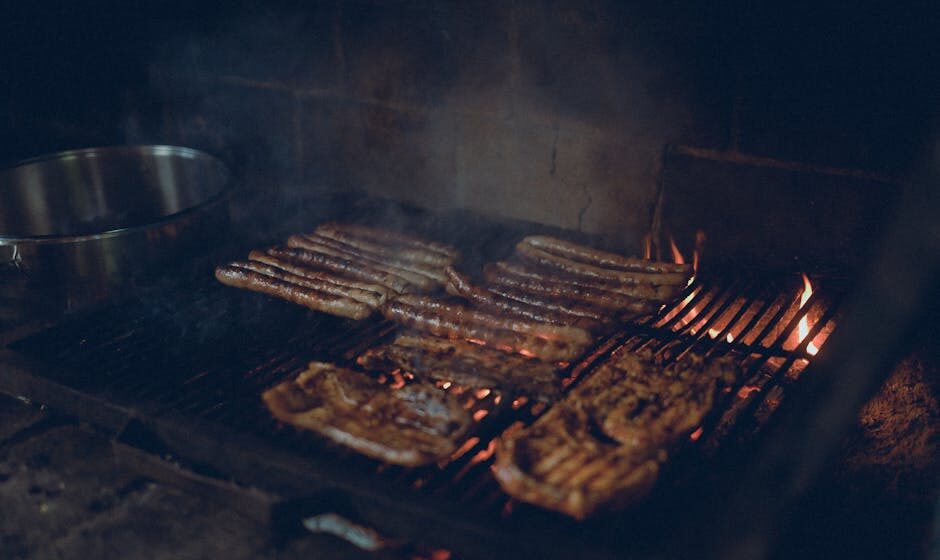

Barbecue, a culinary art that transcends cultures and regions, is more than just a method of cooking; it is a way of bringing people together. From backyard gatherings to competitive cooking, barbecue has carved its niche in the hearts and stomachs of food enthusiasts around the globe. In this comprehensive guide, we will explore the various techniques, types of barbecue, essential tips for the perfect cookout, and delectable recipes that will elevate your grilling game.
Understanding Barbecue: The Basics
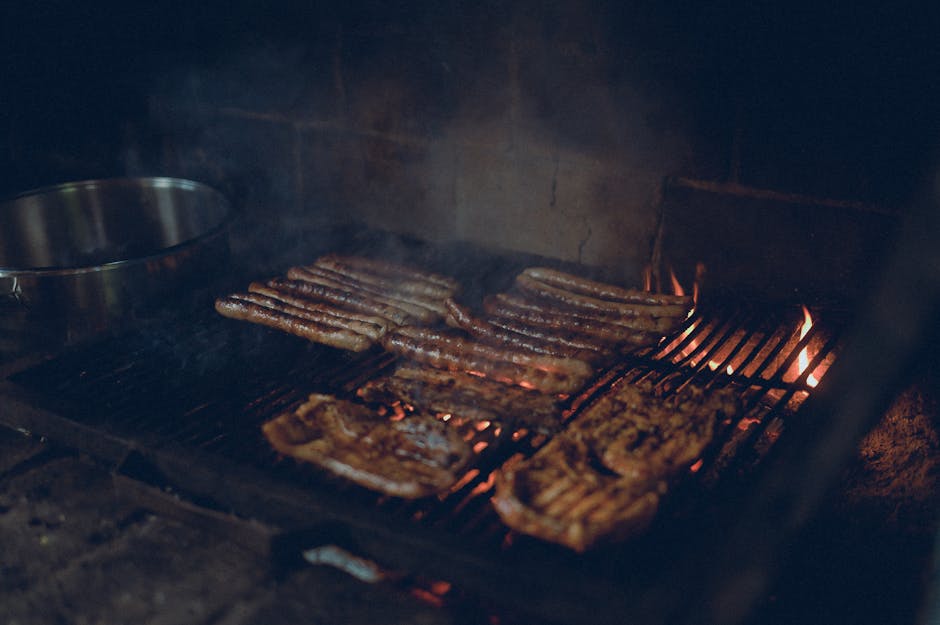
The term “barbecue” can mean different things depending on where you are in the world. In the United States, it often refers to cooking meat over a fire or smoke, with regional variations influencing the flavor and technique. For instance, Texas is famous for its brisket, while North Carolina is known for its pulled pork. Understanding these nuances is key to mastering the art of barbecue.
At its core, barbecue involves three essential components: heat, smoke, and time. The heat source can be charcoal, wood, or gas, while the smoke comes from burning wood or wood chips, which adds that distinctive flavor. Time is crucial, especially for tougher cuts of meat that require slow cooking to break down the collagen and fat, resulting in tender, juicy bites.
Additionally, the choice of meat significantly impacts the final result. Common options include ribs, brisket, chicken, and sausage, each requiring specific techniques for optimal cooking. The beauty of barbecue lies in its adaptability; whether you’re grilling burgers on a weeknight or preparing a feast for a crowd, there’s a barbecue method for every occasion.
Essential Barbecue Techniques
To achieve barbecue perfection, mastering a few fundamental techniques is essential. The most common methods include smoking, grilling, and indirect cooking.
Smoking involves cooking meat at low temperatures over a prolonged period, allowing it to absorb smoke flavor. This method is ideal for larger cuts of meat, such as pork shoulders and beef briskets. Using a smoker, you can maintain consistent temperatures and humidity, creating a moist environment that enhances tenderness.
Grilling, on the other hand, is a quicker method that involves cooking food directly over high heat. This is perfect for smaller cuts like steaks and vegetables. The key to successful grilling is managing flare-ups and ensuring even cooking, which can be achieved by keeping a close eye on the grill temperature.
Indirect cooking combines both methods, where the heat source is placed to the side of the meat, allowing for a slower cooking process without direct exposure to flames. This technique is particularly beneficial for larger cuts that need more time to cook through.
Tips for a Successful Barbecue
Preparing for a barbecue can be daunting, but with the right tips, you can ensure a successful cookout. First, always start with high-quality ingredients. Fresh, well-marbled meat will yield the best flavors and textures.
Secondly, marinating or seasoning your meat ahead of time can enhance the taste. A good rub or marinade not only adds flavor but also helps to tenderize the meat. Consider using a blend of spices that complement the type of meat you’re cooking.
Another essential tip is to preheat your grill or smoker adequately. This ensures that your meat cooks evenly and prevents sticking. Additionally, letting the meat rest after cooking allows the juices to redistribute, resulting in a more flavorful and moist end product.
Lastly, don’t forget about safety. Always use a meat thermometer to check for doneness, and be cautious with the handling of raw meat to avoid cross-contamination.
Delicious Barbecue Recipes
Now that you understand the basics and have some tips under your belt, it’s time to try your hand at some mouthwatering barbecue recipes. Here are a few favorites:
Classic BBQ Ribs: Start with baby back ribs, remove the membrane, and apply a generous rub of brown sugar, paprika, garlic powder, and black pepper. Smoke them at 225°F for 4-5 hours, basting with your favorite barbecue sauce during the last hour.
Texas Brisket: Choose a whole brisket, trim the fat cap, and season liberally with salt and black pepper. Smoke at 225°F for about 12-16 hours, wrapping in butcher paper once it reaches an internal temperature of 160°F.
Grilled Vegetable Skewers: For a vegetarian option, marinate bell peppers, zucchini, and mushrooms in olive oil, garlic, and herbs. Thread them onto skewers and grill over medium heat until tender.
For those looking to expand their barbecue knowledge further, consider reaching out to local barbecue experts or communities. Organizations like Zeus offer valuable resources and networking opportunities for barbecue enthusiasts.
Conclusion: Elevate Your Barbecue Game
Barbecue is more than just a cooking method; it is an experience that brings people together. By understanding the basics, mastering essential techniques, and following practical tips, you can elevate your barbecue game to new heights. Whether you’re a novice or a seasoned pro, there’s always something new to learn in the world of barbecue. So fire up that grill, invite your friends over, and enjoy the delicious flavors of barbecue!